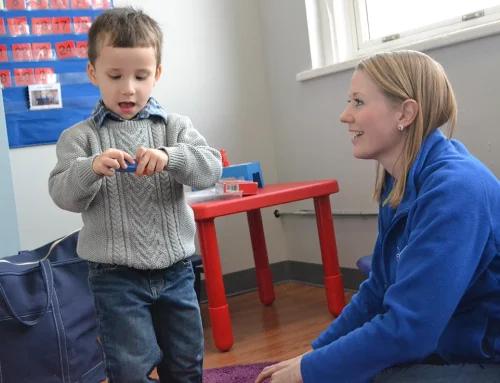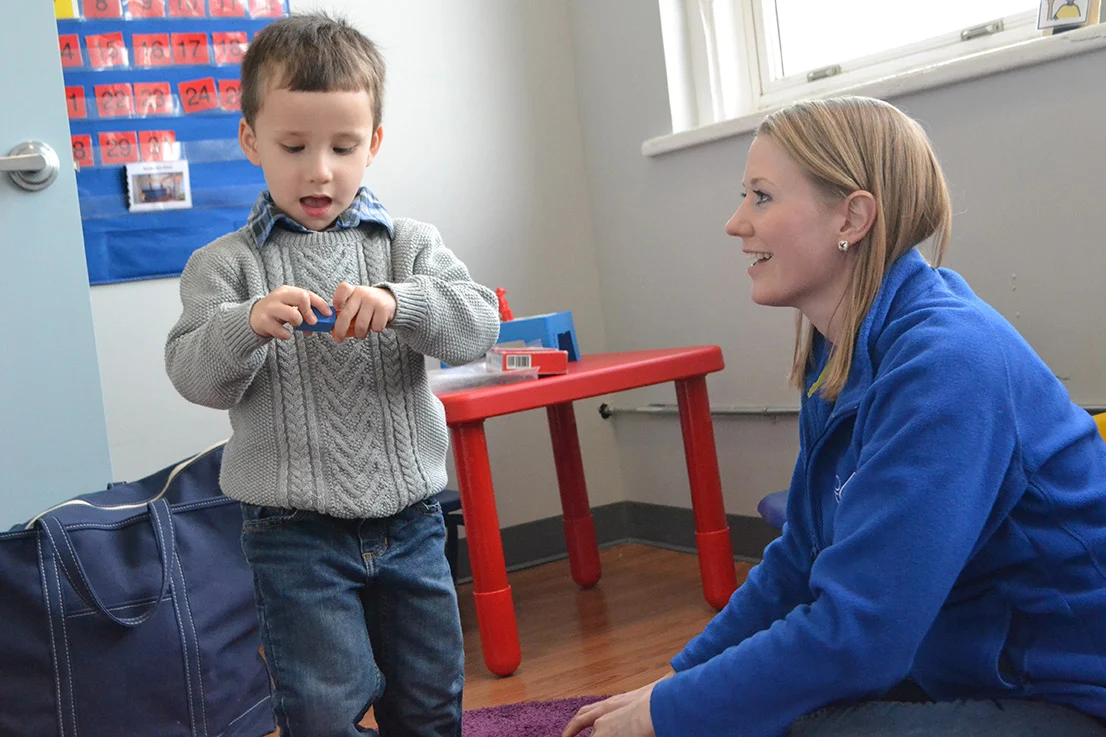
In the constant commotion of Chicago you reach a moment when you no longer can ignore the feeling that things are not lining up for your child. You see him working harder then other children at communication, learning, attention, behavior, and friendships, and you sense that something is off.
You ask yourself, “should I get him tested? “I want to know what’s happening and what can I do about it.”
Parents seeking diagnostic testing in Chicago for autism, ADHD, developmental delays, learning differences, anxiety, or sensory processing challenges want clear answers and a plan.
A comprehensive evaluation is the first step and gives you a clear picture of your child’s strengths, the areas that need support, and the reasons certain struggles keep showing up.
It provides a detailed look at how your child thinks, processes sensory information, interacts with others, and approaches learning. This level of insight guides decisions about therapy, school supports, and daily routines.
It also helps families understand why certain behaviors or challenges appear, especially when previous explanations have felt incomplete.
Chicago is a large, complex city with no shortage of providers. But not all evaluations are the same.
A rushed assessment, or one that is not tailored to your child’s specific profile, can leave families with more questions than answers. Even worse, conclusions that don’t quite fit.
The families who benefit the most work with a team that takes the time to truly know the child in front of them and their family.
That means listening to parents, not just testing children. It means looking at the whole child and delivering findings in a way that are honest, clear, and genuinely useful in real life.
At Blue Bird Day in Wheaton, diagnostic testing is designed around one belief: every child deserves to be understood, not just evaluated.
Our process is deliberate, not rushed. It’s built collaboratively, with families at the center. We don’t offer a one-size-fits-all battery of tests and hand you a report. We work to understand your child’s full story — their history, their strengths, their environment, and the specific questions your family most needs answered.
The result is not just a diagnosis. It’s a roadmap. Families leave with detailed, practical information they can take to schools, therapists, pediatricians, and insurance providers. Information they can use tomorrow.
We created this guide to walk you through the process.
If you’re ready to take the next step, or if you simply have questions, we’re here. Contact Blue Bird Day today to learn how our autism and child diagnostic assessment services in Chicago can help your family find the clarity and support you deserve. You don’t have to keep wondering alone.
Why Testing Matters
A formal evaluation can help families move from uncertainty to a more complete clinical picture. That matters for several reasons.
First, testing can identify whether a child meets criteria for a diagnosis such as autism, ADHD, or another developmental or behavioral condition. Second, it can highlight patterns that may not be obvious in one setting alone. A child may present differently at home, at school, in therapy, or in social situations. A strong evaluation looks at the whole child across those environments.
This kind of assessment also serves a practical purpose. A formal diagnosis can help families qualify for services, school supports, therapy, and accommodations. However, the value of testing goes beyond paperwork. It can also show:
- communication strengths
- areas of social growth
- sensory preferences
- behavior patterns
- emotional regulation needs
- support strategies that may be most effective
That level of detail can help parents make decisions with more confidence. It can also help teachers, therapists, and other providers work from the same information.
More Than A Diagnosis
Families often come in asking whether their child has autism or another diagnosis. That question is important, and the answer can be deeply helpful. However, a strong evaluation should do more than confirm or rule out a condition.
A good assessment describes who your child is as a whole person. It should identify strengths as clearly as areas of need. It should explain how your child processes experiences, connects with others, and responds to demands. That information can help shape a support plan that feels realistic and personal.
At Blue Bird Day, testing is not treated as a cookie cutter process. The team works to gather a well rounded picture of the child, which may include input from parents, teachers, coaches, and therapists when available. If a child is already enrolled in Blue Bird Day, Eyas Landing, or Merlin Day Academy, the assessment process can also include collaboration across those teams. This broad view helps create more accurate and useful results.
What Families Can Expect From Diagnostic Testing At Blue Bird Day
The testing process at Blue Bird Day is structured, clear, and designed to reduce confusion. Families move through three main stages: intake, in person evaluation, and feedback.
First Appointment: Intake
The first visit is an intake session with a clinical psychologist. This meeting will take place virtually.
During intake, the psychologist gathers background information and listens closely to the concerns that brought the family in. This part of the process often includes discussion of:
- medical history
- developmental history
- school experience
- social development
- previous therapy services
- current concerns or questions from parents
This appointment helps shape the rest of the assessment. It gives the clinician context and helps identify the testing goals that fit the child’s age, profile, and current needs.
For families seeking child assessment services in Chicago, this first meeting is often a relief. It creates space to share concerns in a focused setting and helps parents feel more prepared for what comes next.
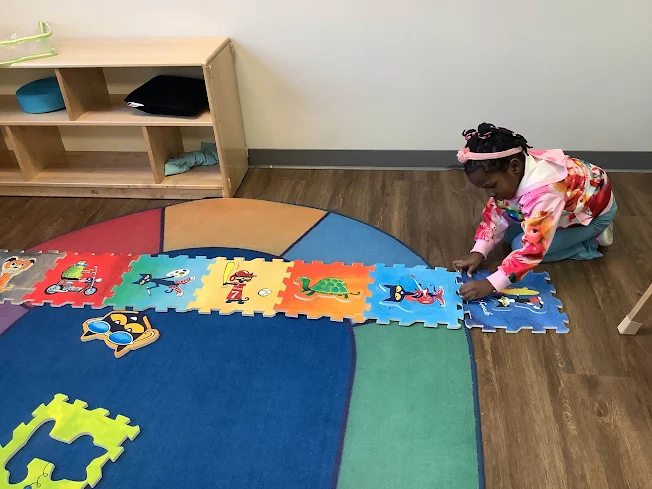
Second Appointment: In Person Evaluation Sessions
After intake, the child completes at least one and up to three in person evaluation sessions with the diagnostic testing team. These sessions are individualized based on the child’s age and the questions being examined.
Younger children often need fewer sessions. Older children may need more time so the team can gather enough information through standardized assessments and observation. These sessions take place in a private room and are designed to support accurate testing while helping the child feel as comfortable as possible.
At Blue Bird Day, the team may also ask about sensory preferences or special interests before testing begins. That step matters. A child who feels safer and more regulated is more likely to show a true picture of their abilities and behaviors during the assessment.
All assessments are psychological in nature. We do not perform medical tests or prescribe medication.
These evaluation sessions may look at several areas, including:
- communication
- social interaction
- attention
- play
- behavior
- emotional regulation
- sensory processing patterns
- cognitive or learning skills
This is one reason diagnostic testing in Chicagoland can be so valuable when done well. It’s not based on a quick impression. It’s based on direct observation, standardized tools, developmental history, and multi source input.
Third Appointment: Feedback Session
The feedback session usually takes within weeks after the initial intake. During this meeting, the clinical psychologist reviews the findings with the family in detail.
Parents receive information about:
- overall impressions from the evaluation
- key patterns seen during testing
- any diagnoses made
- strengths identified
- areas where support may be helpful
- recommendations for next steps
Families also receive a written testing report for future use. This report can be shared with schools, therapy providers, and medical professionals when needed.
A feedback meeting often includes a lot of information. Blue Bird Day makes room for questions and follow up support so families don’t leave with a report and no guidance. If more discussion is needed, follow up appointments are available.
What Makes A Collaborative Approach So Important
Children rarely fit neatly into a single category. A child may have speech delays, sensory sensitivities, social differences, attention challenges, or anxiety at the same time. That’s why collaboration matters so much in the diagnostic process.
When a psychologist gathers information from the adults who know the child best, the final picture is often more accurate and more useful. Parents bring insight from daily life. Teachers may notice learning or peer patterns. Therapists may identify communication, motor, or sensory features that affect performance. Each person sees part of the picture.
At Blue Bird Day, this multi disciplinary mindset is part of the care model. The goal is not simply to complete testing. The goal is to help families move forward with practical, individualized recommendations.
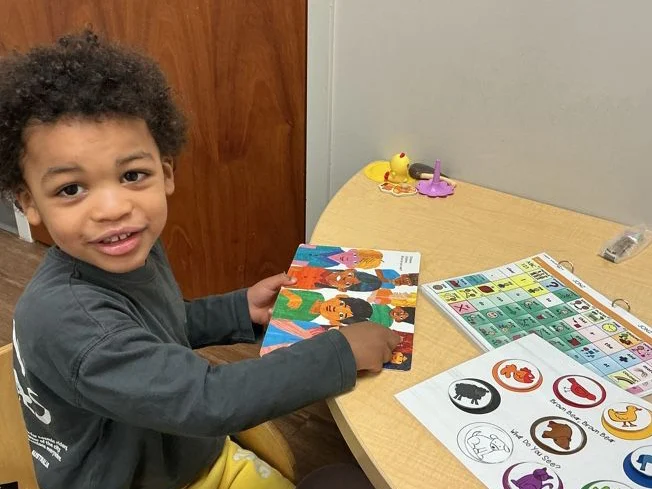
How Diagnostic Testing Supports Autism Care
For many families, the main concern is whether their child may be autistic. Others may already have questions about social communication, repetitive behaviors, sensory needs, or emotional regulation. In these cases, a well planned assessment can be an important step toward appropriate care.
Accurate testing can help you access autism support for families through therapy services, school accommodations, and community resources. It can also help explain behaviors that may have felt confusing or hard to interpret before.
A diagnosis does not define a child. However, it can give families language, direction, and access to support. That can be especially important in school planning, insurance coverage, and treatment coordination. It can also help parents explain their child’s needs to relatives, teachers, and other caregivers in a clearer way.
Most importantly, a good evaluation should recognize the child’s abilities as well as support needs. Children are not a list of symptoms. They are individuals with interests, talents, preferences, and relationships that matter.
Support Does Not Have To Stop After The Evaluation
One of the most valuable parts of the Blue Bird Day model is that services do not end with the testing report. Families may continue to receive consultation support to help put the recommendations into practice.
This ongoing support can include collaboration with therapeutic teams at Blue Bird Day, Eyas Landing, and Merlin Day Academy. The goal is to develop interventions that fit the child’s unique brain and relational style. That means support isn’t generic. It’s shaped around the individual child.
This kind of follow through can make a major difference. A report is helpful. However, real progress often depends on how well the findings are applied across daily settings.
Families often need support translating test results into school plans, therapy goals, and home strategies. That’s where ongoing consultation becomes especially useful. It helps bridge the gap between assessment and action.
Choosing With Confidence
Families looking for diagnostic testing in Chicago want more than a checklist. They want professionals who will take time, ask thoughtful questions, and treat their child with care. They also want results they can use in real life.
Blue Bird Day offers a process that is personal, structured, and grounded in collaboration. From the first intake to the final feedback session, the focus stays on helping families gain a clearer picture of their child and a stronger plan for support.
A formal diagnosis can be an important tool. However, your child is more than any diagnosis. A meaningful assessment should reflect that truth at every step. It should identify needs clearly while also recognizing personality, strengths, interests, and potential.
Blue Bird Day is here to help families through that process with care, clarity, and a commitment to well rounded support. Contact us today as we’re here to support you every step of the way.
Frequently Asked Questions About Diagnostic Testing At Blue Bird Day
Can I use my child’s diagnostic report for school or therapy services?
Yes. The report gives a clear summary of strengths, needs, and recommendations you can share with schools, therapy teams, or healthcare providers.
What if my child feels nervous or does not want to participate?
We adjust sessions to each child’s comfort level. Breaks, sensory tools, and encouragement help children feel safe and supported.
Which areas can Blue Bird Day focus on during assessment?
ADHD, impulse control, executive functioning, working memory, processing speed, down syndrome or other genetic disorders, tic disorders, adaptive functioning, developmental delays, autism spectrum disorder, sensory needs, anxiety disorders and OCD, adjustment to stress or change, language based disorders, depression, bipolar disorder, personality disorders, behavior (aggression, opposition, defiance, etc.), social perception, social skills, communication disorders, intellectual disabilities, oppositional defiant disorder, etc.
How long does the Blue Bird Day diagnostic process take?
Most families complete the process in four to five weeks, from first intake to feedback and report.
This post was originally published in July 2024 and was rewritten in June 2026 to include updated strategies.

Blue Bird Day—the first therapeutic preschool and kindergarten program in the nation—fosters socialization, sensory regulation, and pre-academic learning in children ages 2-6 years. Our compassionate therapists practice a relationship-based and family-centered approach, provide parent training, and collaborate on goals and individualized intensive treatment plans for your child.
We believe in a collaborative and multi-disciplinary team approach to therapy. A team of occupational therapists, speech-language pathologists, dietitians, developmental therapists, behavioral therapists, physical therapists, and therapeutic assistants are created for each child to ensure child and family are fully supported and the best possible results are achieved.
Options for individualized, group and virtual therapy sessions are available as well.
Want to learn more or you have a specific question? Feel free to connect with us here!