Summer in Chicago has a special kind of magic. Kids spend their days running through splash pads, playing outside until its dark, and staying up way past bedtime.
Routines loosen, schedules stretch, and the whole city seems to exhale. But as August winds down, and the back to school sales ads start popping up, reality taps us on the shoulder: school is coming.
For neurodiverse children, the shift is not a gentle nudge. It’s more like a sudden jolt.
One minute they’re living a lazy summer life, and then suddenly, they’re expected to wake up early, get to school, sit still, and follow directions.
That’s a big ask for any child.
Here’s the encouraging part. The last few weeks of summer are the perfect time to ease back into the school routine with small steps and playful practice so that the transition is gradual.
This guide was compiled from years of experience from the expert therapist at Blue Bird Day in Chicago.
We’ll walk through how to go from a lazy Chicago summer into the new school year with confidence. Making the transition smoother and easier for you, your child, and for your whole family.
If you’d like more personalized insights, pleas contact us today. We’re here to support you every step of the way.
Why the End of Summer Is a Big Deal for Neurodiverse Kids
When routines disappear, predictability disappears with them. Many neurodiverse children rely on structure to feel safe and regulated, so the sudden shift from “summer mode” to “school mode” can trigger:
- Social worries (new teachers, new classmates, new rules)
- Sensory overload (bright lights, loud hallways, crowded cafeterias)
- Emotional stress (fear of change, separation anxiety, performance pressure)
- Behavioral challenges (meltdowns, avoidance, resistance, sleep disruptions)
Chicago parents see this every year — the August wobble. And if that wobble feels overwhelming, your concerns are completely valid. Easing back into structure now can make the transition smoother and reduce anxiety once school starts.
It helps to remember something important: challenging behaviors like tears, avoidance, or resistance aren’t “bad behavior.” They’re clues. They’re your child’s way of saying “I’m overwhelmed” or “I need help.” When you read those clues early, you can respond with support instead of stress.
Gradual transitions tend to improve behavior, emotional regulation, and school readiness. Think of it like warming up before a workout. You’re helping your child’s brain and body adjust before the big day.
Start With Light Conversations
Begin by talking openly about school. Ask your child what they’re excited about and what feels scary. Keep the tone casual — like chatting during a walk along the lakefront or while eating a popsicle on the porch.
This builds trust and helps your child feel heard. You’re not “fixing” anything yet. You’re simply gathering clues about your child’s unique worries and hopes.
Try questions like:
- “What’s one thing you hope happens at school this year?”
- “Is there anything that feels tricky or confusing?”
- “What would make mornings easier for you?”
If your child struggles to put feelings into words, meet them where they are. Try:
- Emotion cards — pictures showing happy, sad, angry, or scared faces that help kids point to how they feel
- Simple drawings they can create together
- “Choose between” options (“Do you feel more nervous or more excited?”)
- Silly examples (“Does school feel like a roller coaster or a traffic jam?”)
You can also keep a small journal to track patterns. Does your child get fidgety during transitions? Do certain topics trigger anxiety? These notes become gold when you plan supports — and they’re helpful to share with your child’s care team later.
Build School-Ready Routines
Routines are anchors for neurodiverse kids. They create predictability, reduce stress, and help children understand what comes next. In the last weeks of summer, start shaping your days to look a little more like school — but keep it playful.
Morning Routine Practice
Try a simple morning flow:
- Wake up at a consistent time
- Brush teeth
- Get dressed
- Eat breakfast
- Take a short walk (pretend you’re “walking to school”)
Breaking the morning into small, achievable steps makes each one feel doable instead of overwhelming. Make it fun:
- Race the timer
- Use stickers for each completed step
- Turn the routine into a “mission” (“Operation: Get Ready!”)
A visual routine chart with pictures for each step can foster real independence. Instead of nagging, you can simply point and ask, “What’s next?” Your child gets to be the expert on their own morning.
Mini Learning Blocks
After your pretend walk, try a short “school block.” Keep it brief — 10 to 15 minutes. A “first-then” approach works beautifully here: “First we do reading, then we get bubbles.”
Ideas:
- Reading time
- Puzzles
- Drawing
- Simple math games
- Writing a silly story
Then reward with something fun: bubbles, a snack, or a quick dance break. These positive rewards help your child connect learning with good feelings.
Evening Wind-Down
Shift bedtime earlier, slowly — maybe 10 minutes every few nights. A calming nighttime routine sets the tone for restful sleep. Add quiet activities like:
- Coloring
- Listening to calming music
- Reading together (a cozy “bedtime book basket” near the bed makes this even more inviting)
- Dimming the lights to signal it’s almost time to rest
Limiting screens before bed and keeping a consistent wind-down helps regulate sleep, so those early school mornings feel less brutal for everyone.
Helpful Tools
- Visual timers — show time disappearing, which is great for kids who learn by seeing
- Reward charts — stars, stickers, or tokens for completed routines
- Visual schedule planners — picture charts that show the whole day ahead
These tools quiet the “what if” worries and help kids anticipate transitions. Predictability is a gift you can give your child every single day.
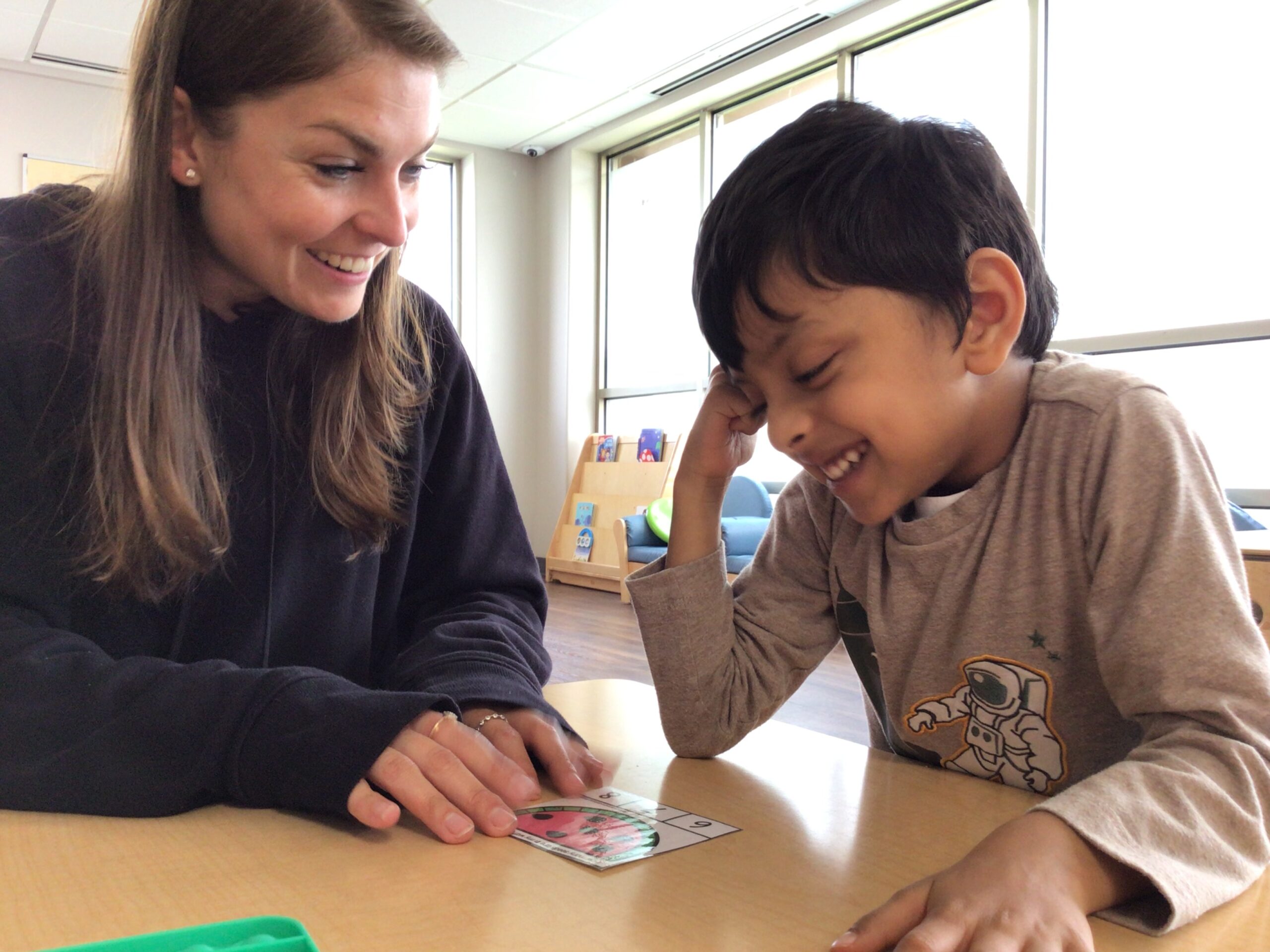
Create Comfort in New Environments
School can be a sensory circus: bright lights, loud hallways, new smells, crowded spaces. For kids who feel sounds, lights, and textures more intensely, this matters a lot. Use the last weeks of summer to gently prepare your child.
Visit the School
If possible, visit the building before the first day. Walk the halls, explore the playground, peek into classrooms. Choose a quiet time so your child can absorb the environment without chaos. This is also a wonderful moment to connect with staff and ask whether there’s a designated calming space your child can use when things feel like too much.
Recreate School Zones at Home
Set up small “school zones”:
- A desk with bright lights
- A quiet reading corner
- A backpack station
- A pretend classroom
Practicing in a familiar space builds confidence before the real thing.
Sensory Prep
Gradual exposure works. Try:
- Sensory bins (rice, beans, fabric, sand)
- Holding pencils, markers, or scissors
- Wearing a backpack for short periods
- Practicing sitting at a desk
These small steps build tolerance for school tasks, one comfortable moment at a time.
Comfort Tools
Every child is different, so a personalized “sensory toolkit” helps you learn what soothes your child:
- Weighted blankets — gentle deep pressure that feels like a calming hug
- Chewelry — safe items to chew for kids with oral sensory needs
- Noise-canceling headphones — a lifesaver for loud hallways
- Fidget toys — squishy balls, spinners, or textured items
For some kids, compression clothing or seamless, tagless shirts make a huge difference too. Scratchy tags and tight fabrics can be surprisingly distracting. Introduce these tools during practice sessions so your child already knows what helps before day one.
Multi-Sensory Practice
Play sounds your child may hear at school:
- Bells
- Chatter
- Footsteps
- Classroom noise
Use a diffuser with a calming scent like lavender to help regulate emotions. Track what works in your journal so you can pack the right supports.
Practice Social Skills and Emotional Regulation
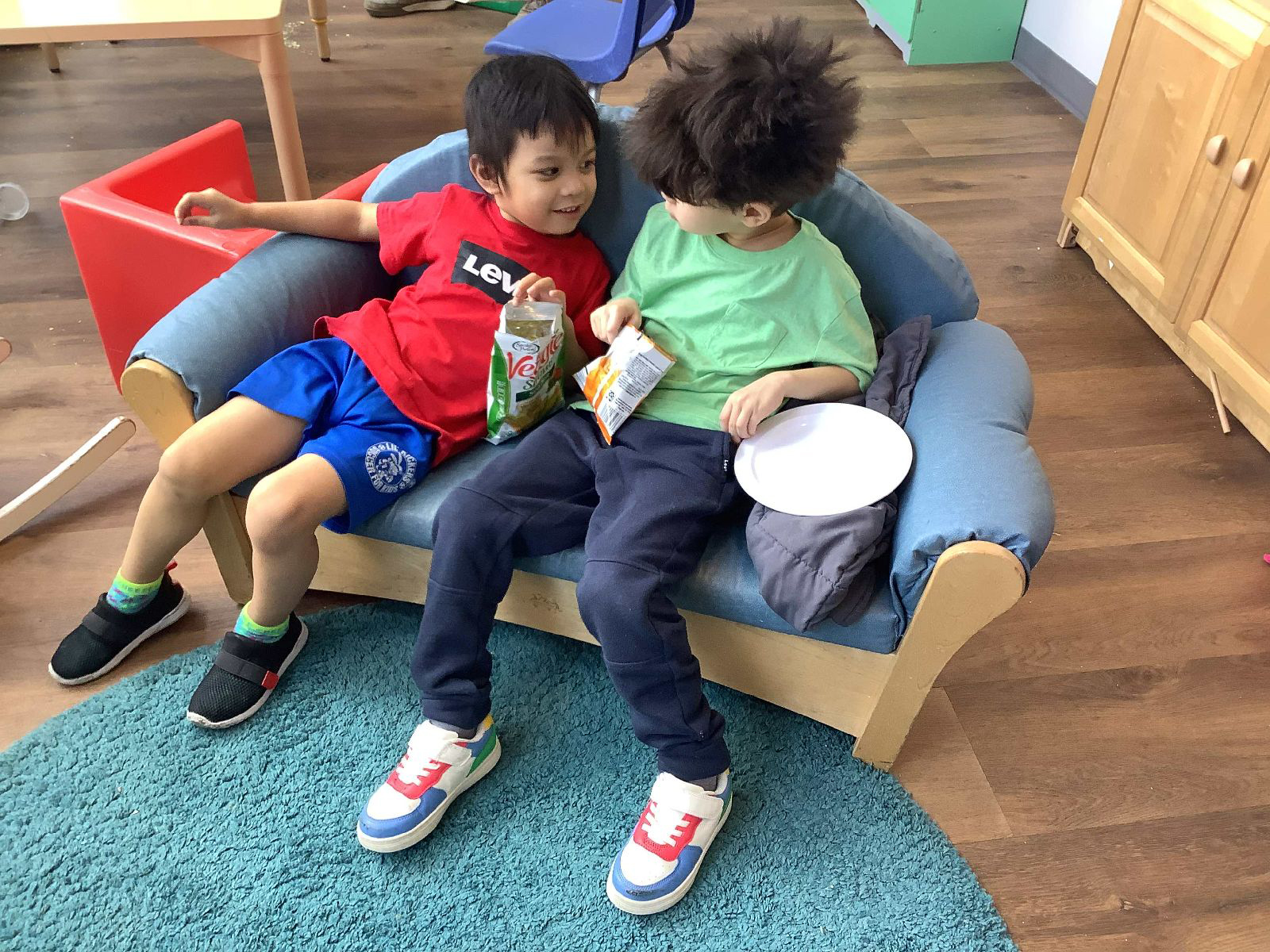
Social skills and emotional regulation are huge parts of school readiness — especially for neurodiverse learners. The trick is teaching them step by step: name the skill, model it, practice together, and cheer the effort.
Role Play
Act out everyday moments:
- Saying hello to a teacher
- Asking for help
- Sharing toys
- Taking turns
- Sitting in a group
Keep it silly and fun. Turn-taking and waiting for a response are skills that grow with practice, not pressure.
Small Playdates
Invite one friend for a short playdate. Practice:
- Turn-taking
- Sharing
- Simple games
- Handling winning and losing
Start small and short. One friend at a park bench beats a chaotic group anytime.
Emotion Practice
Use:
- Emotion flash cards
- Mirror faces
- “Feelings check-ins”
- Bedtime chats about the day
This helps your child name emotions and communicate them. Over time, it becomes a ritual — a moment of connection that builds real resilience.
Academic Warm-Up
Use the last weeks of summer to warm up academically — but keep it light. This isn’t about drilling; it’s about building confidence.
Ideas:
- Read aloud together
- Do simple puzzles
- Count objects during daily tasks (Cheerios work great)
- Practice writing names or letters
- Use dry-erase workbooks for reusable practice
Short, fun sessions build confidence without pressure. Celebrate effort over perfection.
Slow and Steady Wins the Race
The goal isn’t perfection — it’s progress. Small steps now create big wins later. By easing into routines, practicing transitions, and building comfort with school environments, you help your neurodiverse child start the year with confidence instead of fear.
Celebrate every success:
- “You woke up on time!”
- “You practiced your morning routine!”
- “You tried something new!”
These moments matter more than you know. Your next step is simple: pick one routine to start this week — maybe mornings — and add another next week.
With patience, humor, and a little Chicago summer magic, your child can walk into the school year feeling ready, supported, and confident.
Frequently Asked Questions
How early should I start preparing my neurodiverse child for back to school?
For most kids, two to three weeks before the first day is a comfortable window. Starting earlier gives your child’s brain and body time to adjust gradually, without the pressure of cramming everything into the final weekend. Begin with one change — like shifting bedtime 10 minutes earlier — then add routines slowly. If your child struggles significantly with transitions, you might stretch this to four weeks. Watch your child’s cues and adjust the pace to fit your family. There’s no single “right” timeline, only the one that works for your unique child.
What if my child has a meltdown just thinking about school?
First, know that this is your child communicating real distress, not misbehaving. Stay calm, lower the stimulation around them, and offer comfort or space depending on what your child prefers. Once they’ve settled, gently explore what triggered the feeling using emotion cards or a simple drawing. Meltdowns often signal sensory overload or fear of the unknown, so previewing school through visits, photos, or social stories can ease anxiety over time. Keep conversations short and positive, and celebrate small moments of bravery.
How do I help my child adjust to a brand-new Chicago school or classroom?
Familiarity is your best friend. Ask the school for a quiet-time visit so your child can walk the halls, find the bathroom, and see their classroom before the crowds arrive. Take photos to review at home. Connect with the teacher early and share what helps your child feel calm — comfort tools, warning cues before transitions, or a designated calming space. Coordinating with your child’s current care team keeps support consistent across settings, so your child feels held by a whole team, not just tossed into something new.
This post was originally published in August 2025 and was rewritten in August 2026 to include updated strategies.

Blue Bird Day—the first therapeutic preschool and kindergarten program in the nation—fosters socialization, sensory regulation, and pre-academic learning in children ages 2-6 years. Our compassionate therapists practice a relationship-based and family-centered approach, provide parent training, and collaborate on goals and individualized intensive treatment plans for your child.
We believe in a collaborative and multi-disciplinary team approach to therapy. A team of occupational therapists, speech-language pathologists, dietitians, developmental therapists, behavioral therapists, physical therapists, and therapeutic assistants are created for each child to ensure child and family are fully supported and the best possible results are achieved.
Options for individualized, group and virtual therapy sessions are available as well.
Want to learn more or you have a specific question? Feel free to connect with us here!