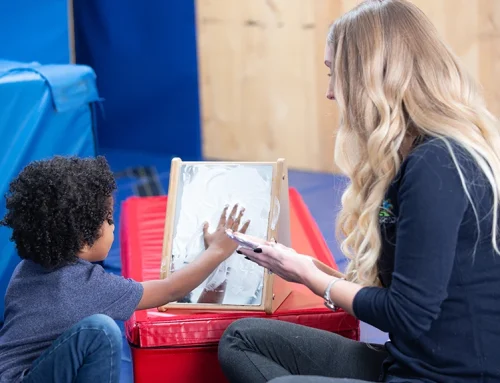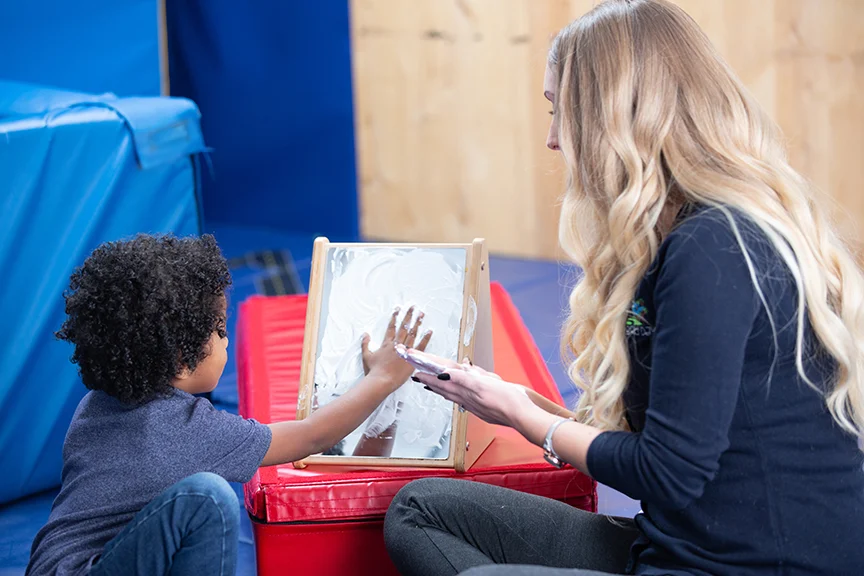
Watching your child stand alone on the playground brings a heavy ache to your chest. You want to see your child laughing, sharing toys, and forming bonds with their peers. It’s possible!
To have a friend, you need to be a friend.
Through direct instruction, regular practice, and positive reinforcement, all children can learn how to find companions and be good friends.
Families can teach these abilities at home by encouraging structured interactions and by collaborating with schools to create meaningful social opportunities for kids. There are ample opportunities here in Chicago.
With years of experience in early childhood therapeutic education, our team knows exactly how to guide your family through this process.
We believe everyone deserves a friend. This article will give you some insight about friendship for neurodiverse children.
If you would like more personalized insights, contact us today! We are here to support you every step of the way.
The Value of Friendship
Developing relationships goes far beyond simply having someone to play with on a Saturday afternoon. When children connect with their peers, they unlock incredible benefits across every area of their development.
Emotional Growth
Learning to interact with others fosters emotional maturity. Children begin to understand and share the feelings of those around them. This shared experience builds immense personal confidence and internal pride.
Developing empathy and caring for others allows your child to look outside themselves and recognize the emotions of their peers.
Most importantly, forming friendships creates a deep sense of belonging. Knowing they have a place within a group gives children a secure foundation to explore the world.
Social Skill Development
Friendships provide the ultimate practice ground for communication. Practicing these abilities in real situations teaches children how to interact naturally. They learn to resolve conflicts peacefully when disagreements arise over a game or a toy.
Understanding social rules through genuine experience is far more effective than reading about them in a book. Children also build flexibility and learn methods for solving problems when they have to compromise with a buddy.
Academic Benefits
You might be surprised to learn that having friends directly impacts school performance. Children show increased motivation to participate in school activities when they know their friends will be there. They demonstrate better focus when they feel socially connected and secure in their environment.
Learning from peers in natural ways happens every day in the classroom. Furthermore, having a strong social network leads to reduced anxiety about school environments, making mornings much easier for your entire family.
Lifelong Skills
The social foundations your child builds today will serve them forever. They are building a foundation for future relationships in adulthood. They learn to advocate for their needs clearly and respectfully.
Developing resilience when facing challenges ensures they can bounce back from social setbacks. Ultimately, they are understanding how to be a good friend to others, which is a trait that will enrich their entire life.
How Schools Can Help Build Friendships
Schools are perfect places for children to practice interacting with others because they offer structure with clear expectations. They provide safety with adult supervision and consistency with daily routines. Children also have countless opportunities to interact with the same peers regularly.
Questions to Ask Your Teachers
Open communication with educators is vital. Consider asking the following questions to maximize your efforts.
- “What social opportunities exist during the school day?”
- “Which classmates seem to share the interests of my child?”
- “How can we practice social abilities at home that will help at school?”
- “What does a successful interaction look like for my child?”
- “How can we communicate about the social progress of my child?”
Information to Share With the School
Teachers can support your child much better when they have the right information. Share details about the interests and strengths your child possesses. Explain what social situations work well at home. Describe the signs that show your child is overwhelmed and needs a break. Share strategies that help your child calm down effectively. Finally, detail the communication style and specific needs your child relies on daily.
Creating Consistency Between Environments
Children thrive when their environments align. Use similar language at home and at school for social rules. Practice abilities at home that will be directly useful in the classroom. Celebrate the same types of social successes across both settings. Share strategies that work well in both locations to ensure everyone uses the same approach.

Play Dates
Taking the first step toward arranging interactions can feel daunting. However, setting up Chicago playdates for your child can be a smooth and enjoyable process when you plan ahead.
Collaborate with teachers to identify potential friends with shared interests who are suitable for the age of your child. Start with short sessions lasting fifteen to thirty minutes to match shorter attention spans.
Use familiar spaces like the local library, a quiet corner of the classroom, or a neighborhood park. In our city, visiting accessible spots like the quiet areas of Lincoln Park or a sensory friendly morning at the Chicago Childrens Museum can provide a wonderful backdrop.
Plan simple activities your child already enjoys, such as drawing or building with blocks. Having adults nearby offers flexible support without making the children feel crowded.
Successful Interactions
Structure is the secret ingredient for positive peer interactions. Clear start and end times are essential. Plan structured activities like collaborative art projects, games that require solving problems, or fun discussion prompts.
Always provide a quiet space for downtime if the excitement becomes too much. Establish practical rules for group interaction that everyone agrees upon before the fun begins. Most importantly, celebrate progress. Praise your child when they take leadership roles, show cooperation, or maintain sustained attention.
Sensory Considerations
Many children process the world differently, and sensory input plays a massive role in their comfort. Schedule activities in places with fewer sensory triggers when possible. Provide a calm space for breaks and a safe retreat from crowds. Consider the lighting, noise levels, and textures in the room, and always offer alternative options. Choose activities aligned with their sensory preferences, such as quiet reading or tactile building projects.
Communication Supports
Clear communication bridges the gap between peers. Use direct and respectful language while avoiding confusing idioms. Visual aids or digital schedules can help with planning the day and reducing anxiety. Give extra processing time and frequently check to ensure everyone understands the plan. Teach and rehearse simple scripts like “Can I join your group?” and “That was a good idea, here is mine.”
Conversation Starters
Sometimes finding the right words is the hardest part. Write simple phrases on index cards to give your child a helpful reference.
- “What do you like to do?”
- “Want to build something together?”
- “That looks cool!”
- “Thanks for playing with me!”
Steps for Solving Problems
Conflict happens in every friendship. Create a visual reminder to help your child navigate disagreements.
- Stop and take a deep breath.
- Say exactly how you feel.
- Listen closely to your friend.
- Think of a solution together.
- Try again or take a break.
Practice Games for Skill Building
Games are powerful tools for teaching hidden social rules. Play games like Red Light Green Light to build impulse control. Play Simon Says to practice following directions closely. Use simple board games to enforce taking turns. Play a game of charades focused on emotions to improve the recognition of feelings in others.
Every Child Is Different
Remember that every child develops at their own distinct pace. Some children will pick up social cues quickly, while others need much more time and repeated practice. Some children will thrive with many friends, while others will prefer one or two close relationships. Both paths are completely normal and perfectly valid.
Consider reaching out to your Blue Bird Day team for further advice if you notice persistent challenges. Seek professional guidance if your child seems very isolated or withdrawn from their peers.
Ask for help if they express sadness about not having friends. Intervene if social situations consistently cause extreme distress. Reach out if you are not seeing progress after several months of consistent support. Finally, seek assistance if social challenges are negatively affecting their learning or daily activities.
Next Steps for Your Family
Taking action today sets the foundation for tomorrow. Here is a clear guide to help you move forward.
This week:
- Talk with your child about friendship using simple and clear terms.
- Contact the teacher to ask about available social opportunities.
- Identify one specific social skill to practice at home.
- Plan one highly structured and low stress social activity.
This month:
- Try a structured interaction with a peer from school.
- Start using visual supports to prepare for social situations.
- Connect with another family who shares your developmental goals.
- Celebrate small social successes with your child using specific praise.
This year:
- Build consistent routines that include regular social opportunities.
- Develop a strong support network of families and school staff.
- Help your child develop at least one meaningful peer relationship.
- Create positive memories around friendship and social connection.
Time is passing quickly, and the social expectations placed on children grow more complex with each passing grade level. Waiting to address these social gaps can lead to deeper isolation and missed opportunities for vital emotional growth.
We encourage you to reach out to our team of dedicated professionals right away to begin crafting a personalized plan that will transform the social future of your child.
Frequently Asked Questions
1. How can I help my neurodiverse child start conversations and make friends?
Begin by practicing simple, direct conversation starters at home, such as, “What do you like to do?” Role play various social scenarios and provide visual aids like cue cards. Encourage short, structured playdates to build comfort and confidence over time.
2. What if my child struggles during playdates or social activities in Chicago?
It is common for neurodiverse children to need extra support during new experiences. Select sensory-friendly locations such as quiet parks or community spaces in Chicago, prepare your child in advance with a plan and visuals, and always have a calm space available for breaks.
3. When should I seek professional support for my child’s social development?
Reach out to a professional if you notice your child is consistently withdrawn, expresses ongoing sadness about friendships, or is not showing progress after several months of practice. Early, specialized support can strengthen your family’s approach and give your child the best chance to form meaningful connections.
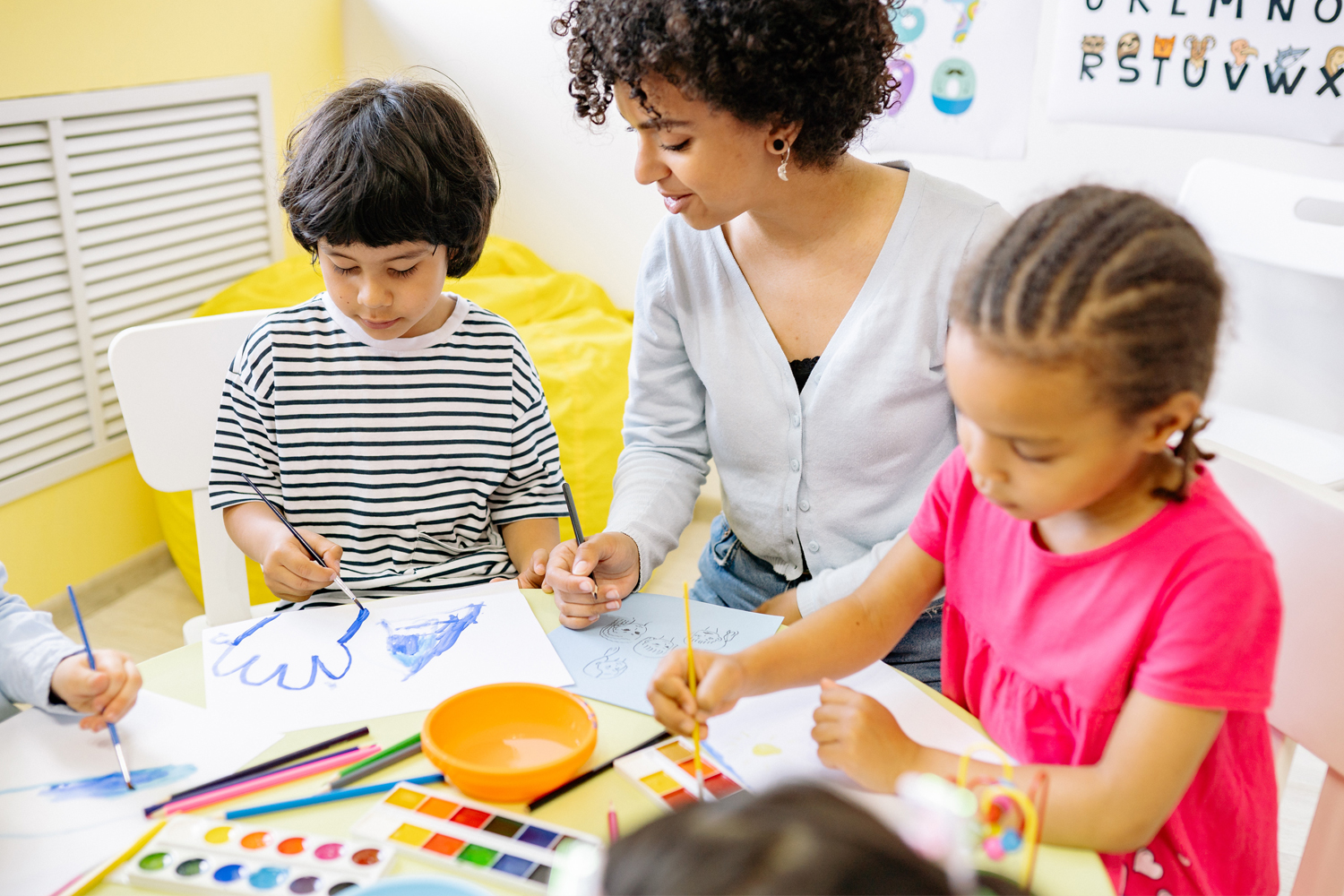
Blue Bird Day—the first therapeutic preschool and kindergarten program in the nation—fosters socialization, sensory regulation, and pre-academic learning in children ages 2-6 years. Our compassionate therapists practice a relationship-based and family-centered approach, provide parent training, and collaborate on goals and individualized intensive treatment plans for your child.
We believe in a collaborative and multi-disciplinary team approach to therapy. A team of occupational therapists, speech-language pathologists, dietitians, developmental therapists, behavioral therapists, physical therapists, and therapeutic assistants are created for each child to ensure child and family are fully supported and the best possible results are achieved.
Options for individualized, group and virtual therapy sessions are available as well.
Want to learn more or you have a specific question? Feel free to connect with us here!