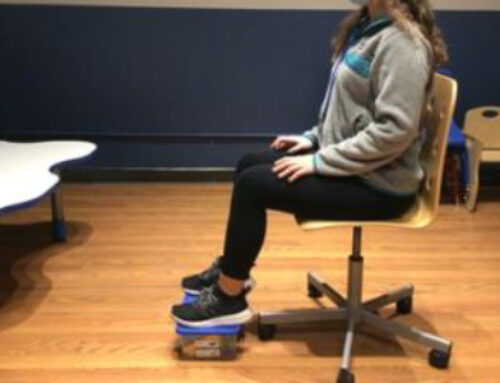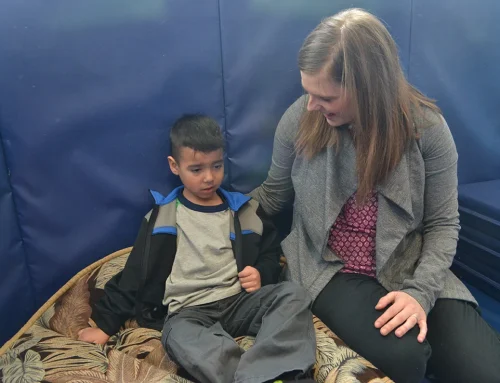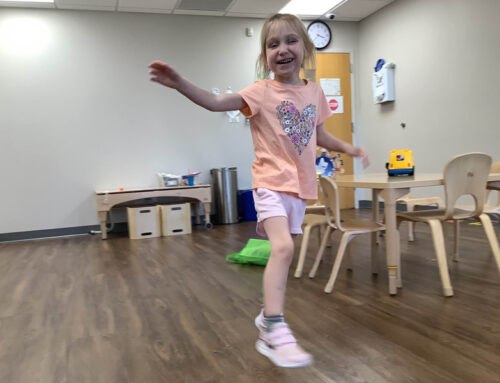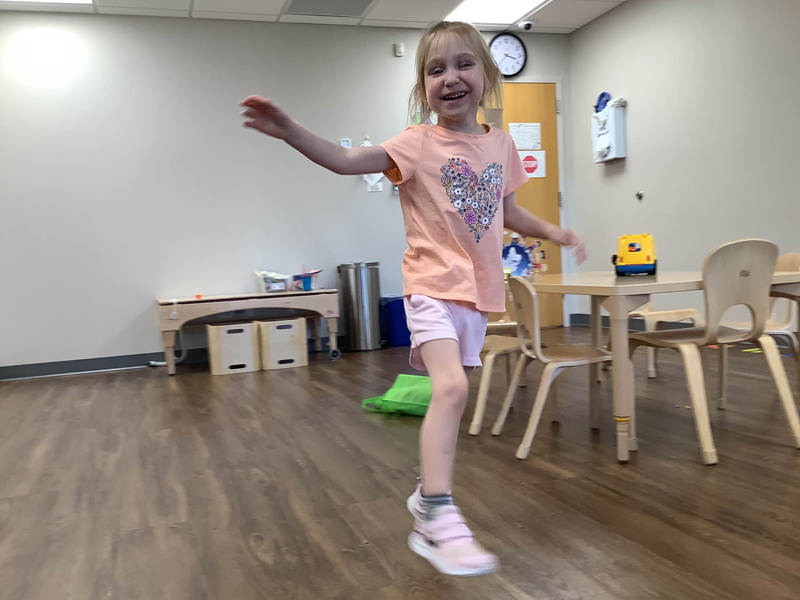
When we unlock the power of physical activity for our children, we boost executive functioning, confidence, and emotional growth.
Discover how Blue Bird Day’s sensory gyms in Chicago and expert physical therapy rotations promote attention, regulation, and developmental success for your child by integrating physical activity into their day.
Research continues to show that physical activity for children supports far more than fitness. It can strengthen attention, emotional regulation, flexible thinking, and problem solving.
For many children, especially those who benefit from structured therapeutic support, movement creates a practical path to better learning and stronger participation in everyday life.
At Blue Bird Day in the West Loop, Northcenter, and Wheaton, physical activity is integrated into our daily care, not an extra add on.
This article will explore the benefits of physical activity on executive functioning. If you would like more personalized insights, please contact us today. We’re here to support you every step of the way!
What Executive Functioning Means in Daily Life
Executive functioning includes the mental skills children use to manage behavior, emotions, and actions. These skills affect how a child moves through the day, from getting dressed in the morning to taking turns during group activities.
A child uses executive functioning to:
- follow multi step directions
- stay with a task long enough to finish it
- shift from one activity to another
- wait for a turn
- remember what comes next
- solve small problems
- manage frustration
- control impulses
When these skills are still developing, everyday routines can feel harder than expected. A child may react quickly, get stuck on one idea, lose track of directions, or have trouble recovering after a change in plans.
Executive functioning is not only about behavior. It shapes how children learn, connect, and gain independence over time.
Why Physical Activity Helps the Brain
Physical activity for children supports the brain as well as the body. Movement is linked to the release of chemicals such as dopamine, serotonin, and endorphins. These chemicals play a role in mood, motivation, stress response, and attention.
That matters because children often learn best when they feel calm, alert, and organized. A child who has had enough purposeful movement may be better able to listen, participate, and recover from frustration.
However, the value of movement goes beyond helping a child burn energy. Many physical activities naturally require children to practice important executive functioning skills.
For example, a child moving through an obstacle course may need to remember a sequence, stop and start at the right time, adjust body position, and respond to directions. A game with rules may require waiting, turn taking, and flexible thinking when the activity changes.
These are the same brain skills children use during classroom learning, play with peers, and daily routines at home.
Research on Physical Activity and Executive Functioning
The connection between movement and executive functioning is supported by research. Studies have found that physical activity can improve key skills such as:
- working memory
- inhibitory control
- cognitive flexibility
- focused attention
Working memory helps a child hold information in mind long enough to use it. Inhibitory control helps a child pause before acting. Cognitive flexibility helps a child shift between ideas, routines, or rules. These are major building blocks for learning and emotional regulation.
Research also points to an important comparison. Physical activity programs that last more than twelve weeks tend to show the strongest positive effects on executive functioning. Programs lasting six to twelve weeks also show benefits. Shorter interventions, especially those under six weeks, tend to have less meaningful impact.
This matters for parents because it shows that consistency is a key part of progress. A short burst of activity may help in the moment. However, regular movement over time is more likely to support lasting growth in attention, regulation, and thinking skills.
Why This Matters for Children with Autism
For many autistic children, executive functioning challenges can affect more than school tasks. They can shape how a child handles transitions, responds to sensory input, joins group activities, and manages emotions during the day.
Physical activity can support these areas in direct and meaningful ways. A child who seeks movement may use physical activity to feel more organized and ready to engage. A child who becomes overwhelmed by sound, touch, or transitions may benefit from structured movement that helps regulate the nervous system.
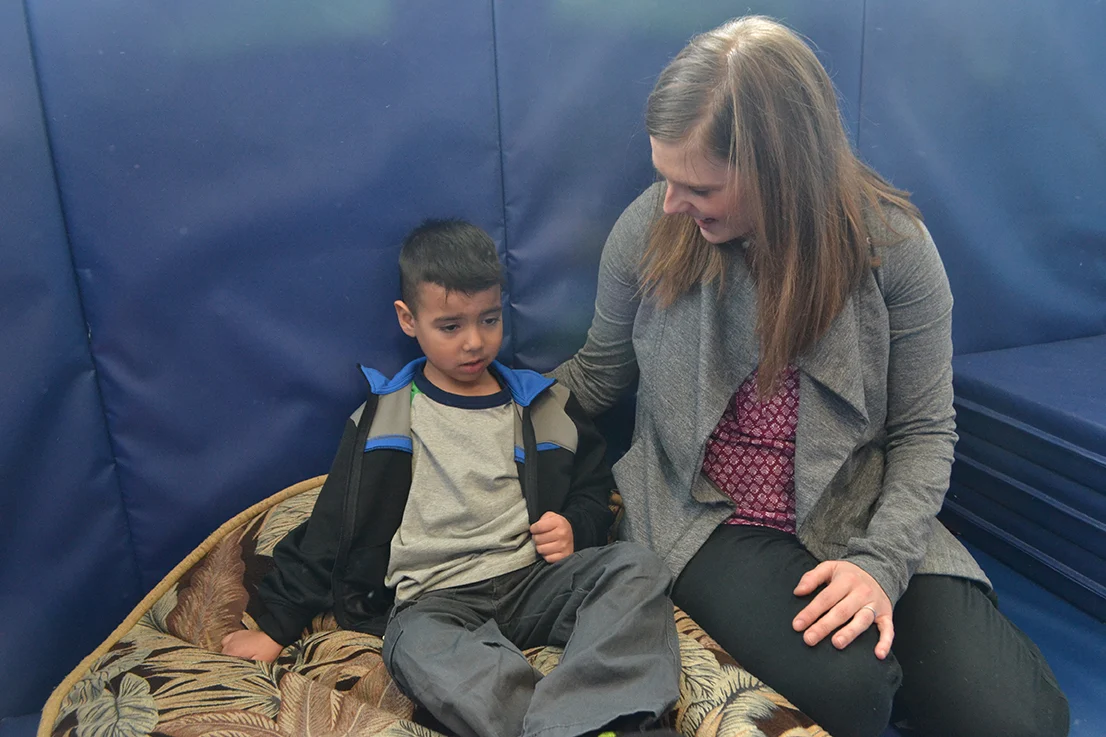
This is one reason sensory gyms are so valuable. In a sensory gym, children can access movement experiences that support body awareness, balance, coordination, and regulation. Equipment such as swings, climbing structures, crash pads, scooters, and balance tools can be used with purpose to meet each child’s developmental needs.
For families searching for autism therapy in Chicago, a setting that includes sensory gyms can offer something especially helpful: a space where movement is part of therapeutic care, not separated from it.
Physical Activity Supports More Than Gross Motor Strength
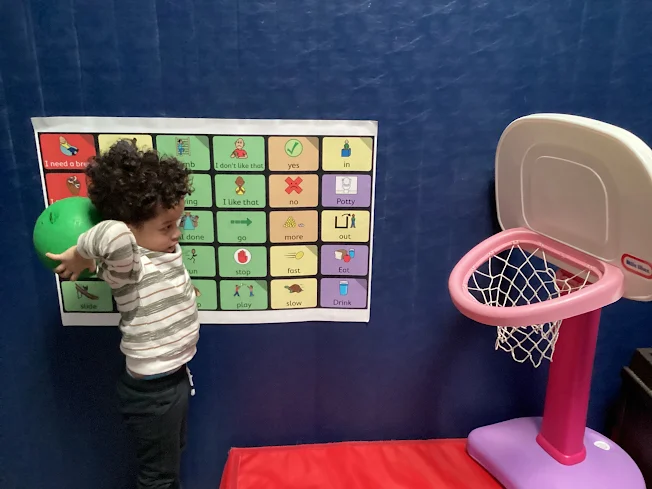
It’s easy to think of exercise as something that mainly builds muscles or improves coordination. Those benefits matter. However, physical activity for children also supports many skills that affect daily function.
Purposeful movement can help children build:
- body awareness
- postural strength
- motor planning
- emotional regulation
- frustration tolerance
- attention during tasks
- transition readiness
- confidence in group settings
Motor planning is a good example. This skill helps a child figure out how to move the body to complete an action. A child who has trouble planning movement may also have trouble with steps in everyday routines, such as climbing stairs, putting on shoes, or joining a playground game.
When movement is built into therapy, children get repeated practice with these skills in a supportive setting. Over time, that can lead to stronger participation at home, in school, and in the community.
The Difference Between Random Movement and Therapeutic Movement
Free play is important. Outdoor time, playground play, and active games all support child development. However, therapeutic movement has a different goal. It uses physical activity in a more intentional way to build specific skills.
For example, a therapist may choose an activity to help a child:
- improve balance
- follow a sequence
- use both sides of the body together
- increase core strength
- tolerate changes in movement
- stay regulated during transitions
- practice control during exciting tasks
This makes therapeutic movement especially useful for children who need more support with executive functioning. It’s not only about staying active. It’s about using movement to improve how a child plans, responds, and participates.
A simple game of jumping to colored spots can become an opportunity to work on listening, stopping, remembering directions, and shifting attention. A swing can support regulation, body awareness, and readiness for learning when used with clear therapeutic intent.
Why Consistency Matters Most
One of the strongest messages from the research is that regular physical activity matters more than occasional bursts of movement. Children benefit most when activity is part of their routine.
This pattern mirrors what families often see in other areas of development. One speech session can help. One occupational therapy session can help. However, meaningful progress usually comes from ongoing practice, repetition, and support across time.
The same is true for executive functioning. A child is more likely to improve when movement is offered consistently and with purpose. This steady approach gives the brain and body repeated chances to build new patterns.
That’s one reason daily schedules that include movement can be so effective. They create predictable opportunities for children to regulate, engage, and practice important skills again and again.
How Blue Bird Day Builds Physical Activity Into Each Day
At Blue Bird Day, physical activity is woven into the daily routine because it supports real developmental progress. Children engage in physical therapy and occupational therapy movement in sensory gyms every day. These experiences include both structured and unstructured gross motor activities.
Structured activities may include:
- obstacle courses
- guided movement games
- balance challenges
- climbing sequences
- therapist led routines
Unstructured activities may include:
- free movement in the sensory gym
- child led play with gross motor equipment
- exploration of swings and crash pads
- open ended movement experiences that support regulation
Each activity is tailored to the child’s strengths, needs, and developmental level. This individualized approach matters. Children don’t all respond to movement in the same way. Some need calming input. Some need alerting input. Some need support with coordination, while others need help with flexibility, waiting, or following directions.
By making movement a daily part of care, Blue Bird Day helps children practice these skills in a setting designed for growth.
What Parents May Notice Over Time
The effects of purposeful movement often show up in practical, everyday ways. Parents may not first notice a dramatic change. Instead, they may begin to see small improvements that make the day feel smoother.
Over time, families may notice that a child is:
- easier to redirect
- more able to follow simple routines
- calmer during transitions
- more organized during play
- better able to wait
- more engaged during learning activities
- less likely to become overwhelmed by small changes
- more confident in physical and social settings
These everyday shifts matter because they affect family life as much as therapy sessions. Better regulation can support smoother mornings. Better motor planning can help with dressing and play. Stronger attention can support learning and participation in group activities.
For parents looking into physical activity for children, the goal isn’t simply more movement. The goal is movement that supports lasting function.
Physical Activity as Part of a Whole Child Approach
Children grow best when support reaches across development rather than focusing on one skill at a time. Physical activity fits into that whole child model because it affects the body, brain, emotions, and daily participation all at once.
This is especially important in programs that serve children with autism, developmental delays, sensory needs, and related challenges. A child who improves regulation through movement may also become more available for communication, learning, and social interaction. A child who gains body awareness may also gain confidence and independence in routines.
That’s why physical activity deserves a central role in therapeutic care. It’s not separate from learning. It supports learning. It’s not separate from emotional growth. It helps make emotional growth possible.
For families seeking autism therapy in Chicago, this integrated approach can make a meaningful difference.
A Steady Path Forward
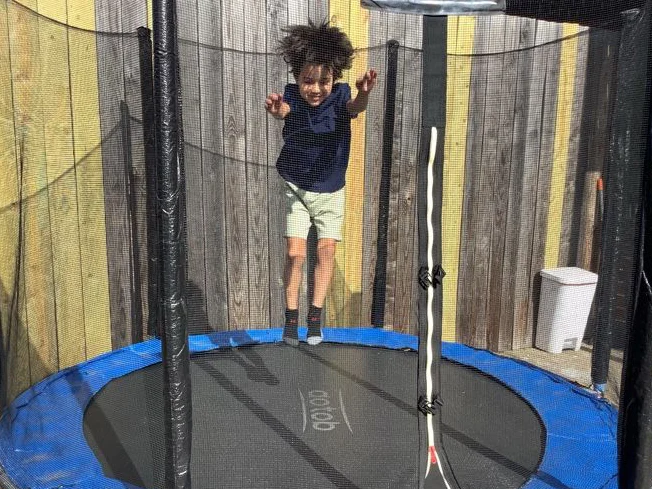
Executive functioning affects so many parts of a child’s life. It shapes how children manage tasks, cope with change, and engage with the people around them. Physical activity offers a practical, research supported way to strengthen these skills over time.
The strongest results come from consistency. Daily movement, guided support, and individualized activities can help children build attention, regulation, and flexibility in ways that carry into real life.
At Blue Bird Day, sensory gyms, physical therapy, and occupational therapy are used as part of a thoughtful approach to development. The aim is not simply to keep children moving. The aim is to help them grow with support that’s steady, purposeful, and responsive to who they are.
If you’re looking for autism therapy in Chicago and want a program that includes meaningful physical activity for children, it helps to ask how movement is built into the day. That answer can tell you a great deal about how a program supports executive functioning, emotional regulation, and long term progress.
If you would like more personalized insights, contact us today! We’re here to support you every step of the way.
Frequently Asked Questions
How does physical activity improve executive functioning in children?
Physical activity improves executive functioning by giving children repeated practice with attention, self control, memory, and flexible thinking. Movement based activities often require children to follow directions, stop and start, remember steps, and adjust to changes. These experiences can strengthen the same skills children use for learning, daily routines, and emotional regulation.
Why is physical activity important for children with autism?
Physical activity is important for many children with autism because it can support sensory regulation, body awareness, focus, and emotional control. Structured movement may help children feel more organized and better prepared to participate in play, therapy, and learning. In therapeutic settings, movement can also be adapted to meet each child’s needs and goals.
What are sensory gyms and how do they help?
Sensory gyms are therapy spaces designed to support movement, regulation, and motor development. They may include swings, climbing equipment, crash pads, balance tools, and other gross motor materials. Sensory gyms help children practice coordination, motor planning, and self regulation in a safe and supportive environment.
How often should children participate in physical activity to support executive functioning?
Research suggests that consistent physical activity has the strongest effect on executive functioning. Programs that continue for more than twelve weeks tend to show the most meaningful benefits, while six to twelve week programs can also help. Daily or routine movement opportunities are often more effective than short term or occasional activity.
What kinds of physical activity are most helpful for executive functioning?
Activities that require children to listen, remember, respond, and adapt are often especially helpful. Examples include obstacle courses, movement games, balance activities, climbing tasks, and therapist guided routines. These activities support both gross motor development and important thinking skills such as planning, attention, and self control.
How does Blue Bird Day use physical activity in its program?
Blue Bird Day includes physical activity in daily therapy through physical therapy, occupational therapy, and sensory gyms. Children take part in both structured and unstructured movement experiences that are tailored to their individual strengths and needs. This helps make physical activity a steady part of development, rather than an occasional event.
This post was originally published in July 2024 and was rewritten in June 2026 to include updated strategies.

Blue Bird Day—the first therapeutic preschool and kindergarten program in the nation—fosters socialization, sensory regulation, and pre-academic learning in children ages 2-6 years. Our compassionate therapists practice a relationship-based and family-centered approach, provide parent training, and collaborate on goals and individualized intensive treatment plans for your child.
We believe in a collaborative and multi-disciplinary team approach to therapy. A team of occupational therapists, speech-language pathologists, dietitians, developmental therapists, behavioral therapists, physical therapists, and therapeutic assistants are created for each child to ensure child and family are fully supported and the best possible results are achieved.
Options for individualized, group and virtual therapy sessions are available as well.
Want to learn more or you have a specific question? Feel free to connect with us here!