Parenting, caregiving or teaching a neurodiverse child means adapting on the fly. One moment, everything is flowing perfectly. The next minute you are managing a situation. What if there was a way to control those situations? What if making things easier was not that complicated?
Well, it is and you do not need a degree or special education certification to help your child. It may help, but what every therapist knows what you really need is the right stuff on hand for special situations. Simple tools that actually work when a child needs to meltdown.
We put together a list of ten items that make a real difference for neurodiverse kids. Each thing on this list has solid research backing it up. Scientists and occupational therapists have studied these tools and can explain exactly why they help kids who process the world a bit differently. Want to know what made our list?
The Weighted Blanket: A Hug That Lasts Forever
What it does
A weighted blanket applies gentle, evenly distributed pressure across a child’s body. The weight typically ranges from 5 to 25 pounds, creating a sensation like being held or hugged. This consistent, firm touch provides what therapists call “deep pressure stimulation.”
The blanket can be used while reading, doing homework and during sleep. The pressure remains constant and predictable, allowing the body to relax into the sensation.
A weighted blanket uses gentle, distributed pressure across the body, and the science behind it is actually pretty cool.
The Science
When you apply deep pressure to the body, it activates your parasympathetic nervous system—your body’s “chill out” mode. This reduces cortisol (the stress hormone nobody wants to hang around) while boosting serotonin and melatonin. Your child feels calmer and sleeps better.
Real-world magic
Whether it’s naptime struggles, bedtime battles, or those overwhelming moments when everything feels like too much, a weighted blanket can be a game-changer.
Just make sure you get one that is about 10% of your child’s body weight for optimal effectiveness. Many children also benefit from having a smaller weighted lap pad for use during car rides, at restaurants, or during homework time when a full blanket would be impractical.
Fidget Toys
What they do
Fidget toys provide continuous tactile and proprioceptive stimulation through repetitive hand movements. These come in countless varieties—spinners that rotate smoothly, cubes with different textures and buttons, therapy putty that can be squeezed and stretched, and stress balls that compress and release.
The key is that they occupy the hands without requiring visual attention or significant cognitive processing. A child can manipulate a fidget toy while listening to a teacher or reading, with the sensory input satisfying the need for movement without disrupting the primary task.
The Science
When kids engage their hands with repetitive, tactile activities, they are actually occupying sensory-seeking pathways in the brain. This frees up mental bandwidth for focusing on other tasks. Think of your hands like background music that helps you concentrate.
Real-world magic
Pop a fidget cube in your child’s pocket during homework time or keep putty handy during car rides. Many teachers now understand that fidgeting can improve attention rather than hinder it.
Silent fidgets are your friend in quiet environments! Consider keeping a variety pack available so your child can choose based on their current sensory needs. Sometimes they need the deep pressure of putty, other times the smooth spinning provides just the right input.
Noise-Canceling Headphones: The Mute Button for the World
What they do
Noise-canceling headphones create a protective auditory barrier using two technologies. Passive cancellation works through cushioned ear cups that physically block sound waves. Active cancellation uses built-in microphones to detect ambient sounds, then generates inverse sound waves that cancel out the incoming noise.
The result is a dramatically quieter environment where background conversations, fluorescent light hums, and HVAC buzzing become muffled or disappears entirely. These headphones specifically target the unpredictable, variable sounds that trigger sensory overload.
If your child covers their ears in crowded spaces or complains that “everything is too loud,” you are not dealing with a fussy kid, you are dealing with genuine sensory sensitivity. And honestly? The world is pretty loud.
The Science
For many neurodiverse children, the brain processes sensory information differently. Background noise that neurotypical folks can easily filter out becomes an overwhelming assault that triggers genuine fight-or-flight responses. Noise-canceling headphones reduce this auditory overload, allowing the nervous system to stay regulated.
Real-world magic
Keep a pair in your bag for grocery shopping, doctor’s appointments, or anywhere with unpredictable noise levels. Many kids love decorating their headphones with stickers to make them feel more personal.
Bonus: They work great on airplanes for everyone in the family! Consider practicing with the headphones at home first so your child becomes comfortable with how they feel and function before needing them in a stressful situation.
Sensory Swing or Hammock: Motion is the Potion
What it does
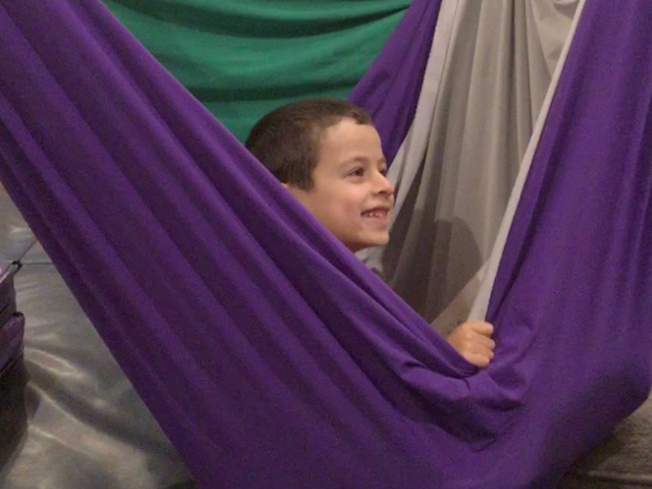
A sensory swing or hammock provides controlled, rhythmic movement that stimulates the vestibular system in the inner ear.
Unlike playground swings, sensory swings offer different movement patterns: platform swings for sitting or lying, pod swings for enclosed compression, therapy swings that rotate 360 degrees, and hammocks that cradle the body.
The motion can be slow and calming or faster and alerting, allowing children to access exactly the vestibular input they need when they need it.
Ever notice how rocking a baby calms them down? That soothing sensation does not have an expiration date! Swings and hammocks offer that same gentle, rhythmic movement that helps regulate the nervous system at any age.
The Science
Swinging stimulates the vestibular system in your inner ear, which is your body’s GPS for balance and spatial awareness. This stimulation has a direct calming effect on the nervous system. It’s like hitting the reset button on your child’s sensory system.
Real-world magic
Indoor sensory swings are worth their weight in gold. Whether it is a cocoon-style swing for full-body compression or a platform swing for building coordination, you are creating a go-to calming space right in your home.
Twenty minutes of swinging before homework? Perfect! Many occupational therapists recommend swinging as part of a “sensory diet,” which is regular doses of sensory input throughout the day that help maintain regulation. Some families establish a routine of swinging before transitions like bedtime or leaving for school.
STEM Toys and Building Kits: Structure Meets Creativity
What they do
STEM toys provide structured, hands-on activities that engage multiple aspects of cognition simultaneously. Whether magnetic tiles, construction sets, coding robots, or engineering kits, these materials offer clear frameworks for creating, experimenting, and problem-solving.
Physical manipulation provides tactile input while the brain works through spatial relationships and sequential thinking. What makes these particularly valuable is their predictability within flexibility—pieces work according to consistent rules, but possibilities are endless.
Many neurodiverse kids have minds that crave structure, patterns, and logical challenges. STEM toys (Science, Technology, Engineering, Math) provide exactly that kind of engaging, predictable play.
The Science
Hands-on building and creating engage executive function skills—those crucial brain processes that handle planning, focus, and cognitive flexibility. When kids manipulate physical objects to solve problems, they are building neural pathways that support learning.
Real-world magic
From LEGO sets to coding robots to marble runs, STEM toys offer that perfect combination of challenge and satisfaction. Plus, they provide natural opportunities for focused, calming engagement when your child needs to decompress. Many neurodiverse kids become absolute experts in their chosen building system!
Consider setting up a dedicated building space where projects can remain undisturbed, allowing your child to return to complex buildings over multiple sessions.
Chewelry and Oral Motor Tools: Chew on This
What they do
Chewelry and oral motor tools provide safe items specifically designed for oral sensory input. These come in various forms—necklaces, bracelets, pencil toppers, and handheld items—all made from non-toxic, food-grade materials. Various products offer different resistance levels and textures, from soft and pliable to firm with significant resistance. These tools provide continuous oral proprioceptive input—feedback from the jaw and mouth muscles that has powerful organizing effects on the nervous system.
Before you judge—if your child chews on shirt collars, pencils, or anything within reach, they are seeking specific sensory input. Instead of fighting it, give them something designed for the job!
The Science
Chewing activates the trigeminal nerve (the largest cranial nerve), which plays a role in regulating arousal levels. It is why many people chew gum when they are stressed, it’s genuinely calming! For kids with sensory needs, this input can be especially organizing.
Real-world magic
Chewelry comes in necklaces, bracelets, and pencil toppers. They are discreet, durable, and way more socially acceptable than a slobbery shirt collar. Different textures and resistances mean you can find the perfect match for your child’s sensory preferences. Many parents keep multiple chewelry items available—one for school, one for home, and a backup—to ensure this tool is always accessible when needed.
Visual Timers and Schedules: Time Made Tangible
What they do
Visual timers and schedules transform abstract time and sequence concepts into concrete, visible information. Time Timer clocks show a red disc that gradually shrinks as minutes pass. Visual schedules display daily routines or activities in pictures or words, making “what happens next” immediately clear.
These tools reduce the need to hold information in working memory and provide predictability that reduces anxiety about transitions.
“Five more minutes!” means absolutely nothing to most kids. Visual timers and schedules make abstract concepts concrete and manageable.
The Science
Visual cues reduce cognitive load, meaning your child does not have to hold information in their memory but instead can check the timer. This supports executive functioning, which many neurodiverse children find challenging. Plus, predictability reduces anxiety about unknown transitions.
Real-world magic
Time Timer clocks show time “disappearing” in red, making the passage of time visible. Visual schedules with pictures or words help kids know what is coming next, dramatically reducing those “surprise” meltdowns when it is time to leave the park. Many families create visual schedules using photographs of their actual activities and locations, making the connection even more concrete.
Aromatherapy Is not Just for Spas
What they do
Essential oils and scented items provide targeted olfactory input that can directly influence emotional state. These tools deliver specific scents through diffusers, rollerballs, scented sachets, aromatherapy putty, or scented stuffed animals.
Lavender, chamomile, and vanilla are typically calming, while peppermint and citrus scents tend to be alerting. The delivery method matters—diffusers provide ambient scent, while rollerballs offer portable, personal scent that children can control.
The part of your brain that manages emotions is linked to your sense of smell. That’s why certain scents can instantly change your mood!
The Science
Certain scents (particularly lavender, chamomile, and vanilla) activate calming pathways in the limbic system. Research shows lavender specifically can reduce anxiety and promote sleep by affecting neurotransmitters like GABA and serotonin.
Real-world magic
A calming rollerball in your child’s backpack, lavender on the pillowcase at bedtime, or a scented stuffed animal can provide portable, discreet sensory support.
Important note: Always check for sensitivities first and use child-safe dilutions! Some children respond particularly well to personalized “scent kits” with different oils for diverse needs, one for calming, one for alerting, one for focus.
Compression Clothing: The Hug You Can Wear
What they do
Compression clothing—vests, shirts, leggings, and socks—applies consistent, gentle pressure across the body throughout the day. The tight, stretchy fabric provides continuous proprioceptive input, improving body awareness and reducing that “floaty” feeling some children experience.
Different compression levels serve diverse needs, from light feedback for extended wear to deep compression for targeted regulation. The clothing works passively, providing ongoing sensory input as the child moves through activities.
Think of compression clothing as a weighted blanket’s more portable cousin. Compression garments provide calming deep pressure while your child moves through their day.
The Science
Just like weighted blankets, compression garments stimulate sensory receptors that have a calming effect. The constant, gentle pressure provides ongoing feedback about where the body is in space (proprioception), which helps with body awareness and reduces anxiety.
Real-world magic
Compression clothing works beautifully under regular clothes, making it a discreet option for school or social situations. Many kids report feeling “held together” or “less floaty” when wearing compression items.
Start with socks or a shirt before investing in a full vest. Athletic compression wear designed for sports can also serve this purpose and may be more appealing to image-conscious tweens and teens.
The Reset Station
What it does
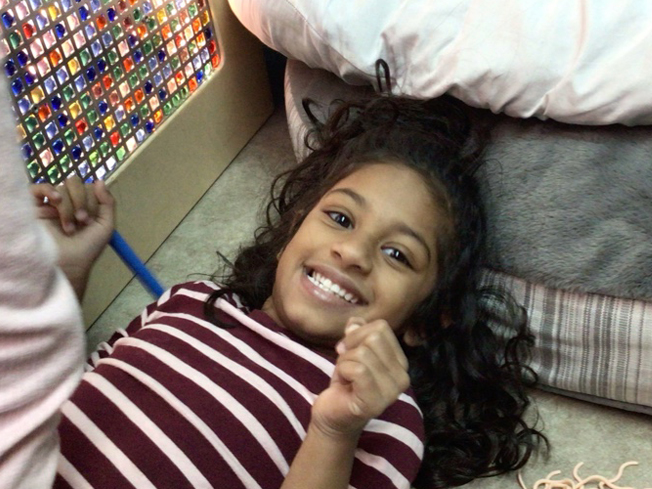
A calm corner creates a designated space specifically for emotional and sensory regulation. This proactive tool includes soft, adjustable lighting, comfortable seating like bean bags or cushions, and a selection of calming tools—books about emotions, breathing exercise cards, feelings charts, noise-canceling headphones, or fidget toys.
The space reduces sensory input while providing multiple regulation options. Children learn to recognize when they need a break and develop self-soothing habits before reaching meltdown levels.
This is not a “time-out” or punishment, but an initiative-taking tool! A calm corner is a cozy spot where your child can retreat when they’re feeling overwhelmed, with no judgment attached.
The Science
Controlled, low-stimulation environments allow the nervous system to downregulate naturally. When sensory input is reduced and the child feels safe, their body can activate that parasympathetic “rest and digest” mode. This teaches self-awareness and builds emotional resilience over time.
Real-world magic
Set up a corner with soft lighting, comfortable pillows, a few favorite sensory items, and some calm-down visuals or books. Make it clear this is a positive space—they can go there anytime they need to recharge.
Some families even create a “calm corner menu” so kids can choose their preferred regulation strategy. Consider involving your child in creating and personalizing this space. When children have ownership over their calm corner, they are more likely to use it effectively.
Putting It All Together
Here is the beautiful thing about these tools: You do not need all ten at once! Start with one or two that seem most relevant to your child’s needs. Your kiddo is a sensory seeker who would love fidgets and a swing, or they are sensitive to noise and would benefit most from headphones and a calm corner.
The key is experimenting and observing. What helps your child feel calm, focused, and in control? Those are their essential tools. And remember—these are not crutches or signs of weakness. They are accommodations that help neurodiverse brains work with their environment instead of against it.
Think of it like glasses for someone who is nearsighted. Nobody tells a kid, “Try harder to see the board!” We give them tools to access their world successfully. That’s all we’re doing here—giving neurodiverse children the tools to thrive.
You are not just managing behavior; you are supporting your child in understanding and meeting their own sensory needs. And that’s a life skill that will serve them forever.
So go ahead—start building that toolkit! Your future self (and your child) will thank you the next time a potentially overwhelming situation becomes manageable because you had exactly what you needed, right when you needed it.
What tool are you most excited to try first?
Frequently Asked Questions (FAQ)
How do I know which tool is right for my child?
Start by observing your child’s sensory preferences and needs. You might try different items (like fidgets or weighted blankets) and see which ones help them feel calm or focused. Occupational therapists can also provide personalized recommendations.
Are these tools only for children with a diagnosis?
No. While these tools are especially helpful for neurodiverse children, any child who experiences sensory overwhelm or needs regulation can benefit from them.
Is it safe for my child to use a weighted blanket?
Weighted blankets are generally safe, but it’s important to choose a weight that is about 10% of your child’s body weight. Always consult with your child’s doctor or therapist if you have concerns.
Will using these tools make my child dependent on them?
No. These tools are supportive—not a crutch. They help children develop self-regulation and coping skills, and many kids gradually use them less as their confidence grows.
Where can I buy these tools?
Many of the items mentioned can be found online, in specialty stores, or through therapy equipment suppliers. You can also find budget-friendly versions for many tools.
Can teachers use these tools in the classroom?
Absolutely! Many classrooms now include sensory tools as part of their regular routines. Talk to your child’s teacher about integrating items that work for your child.
What if my child doesn’t like a tool at first?
Give it time and experiment with different options. Preferences can change, and sometimes it takes several tries to find the best fit.
Can I use essential oils or aromatherapy with my child?
Always check with your healthcare provider and use only child-safe, diluted oils. Start with very small amounts to see how your child responds.
Have more questions? Reach out to an occupational therapist or pediatrician for individualized guidance.
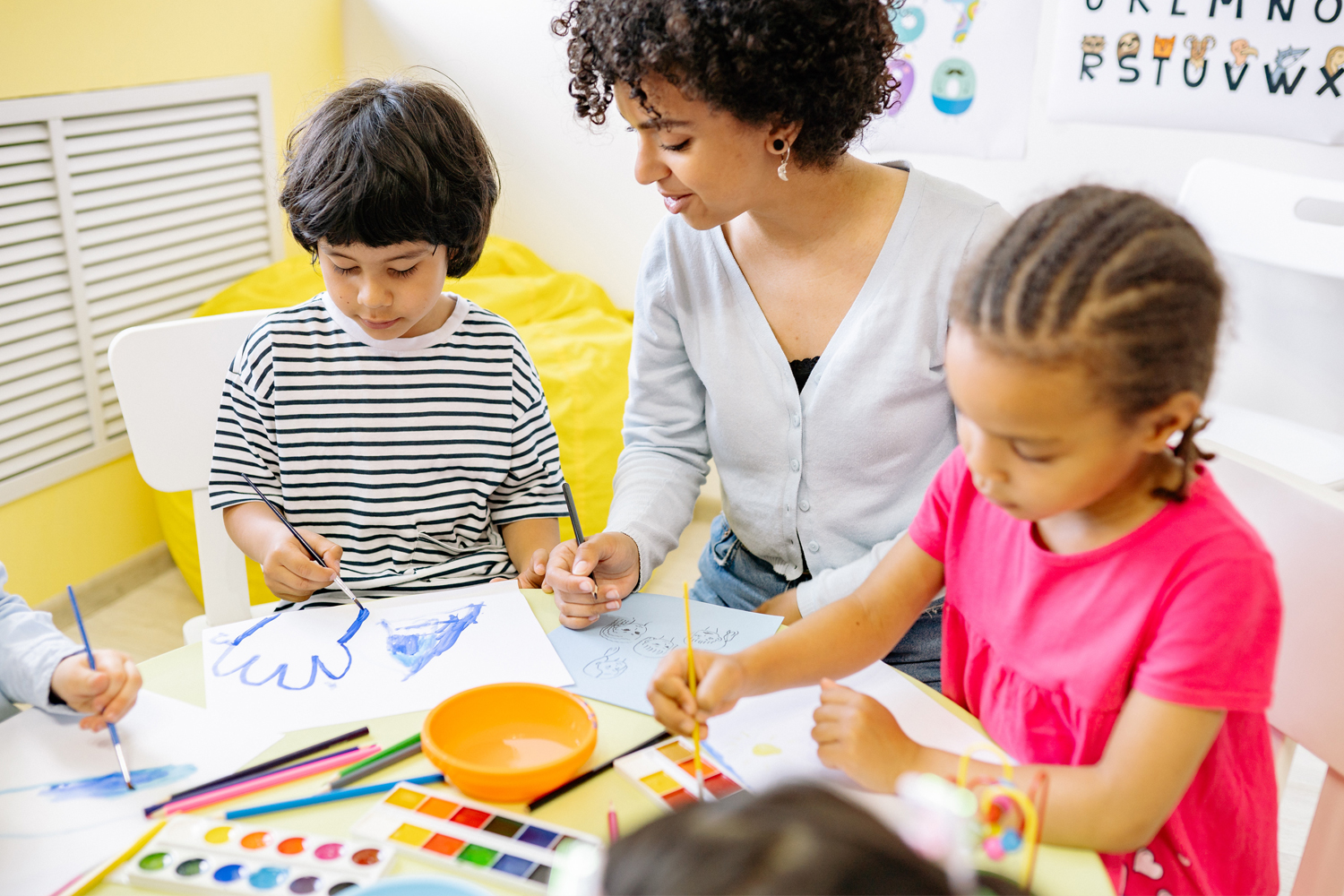
Blue Bird Day—the first therapeutic preschool and kindergarten program in the nation—fosters socialization, sensory regulation, and pre-academic learning in children ages 2-7 years. Our compassionate therapists practice a relationship-based and family-centered approach, provide parent training, and collaborate on goals and individualized intensive treatment plans for your child.
We believe in a collaborative and multi-disciplinary team approach to therapy. A team of occupational therapists, speech-language pathologists, dietitians, developmental therapists, behavioral therapists, physical therapists, and therapeutic assistants are created for each child to ensure child and family are fully supported and the best possible results are achieved.
Options for individualized, group and virtual therapy sessions are available as well.
Want to learn more or you have a specific question? Feel free to connect with us here!