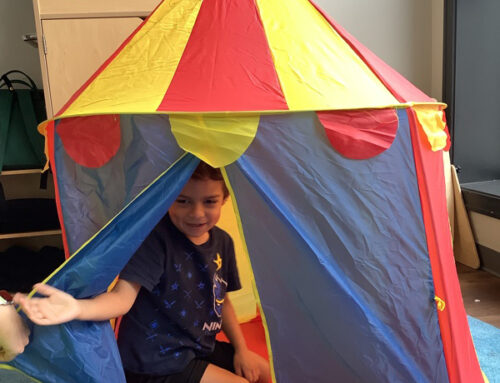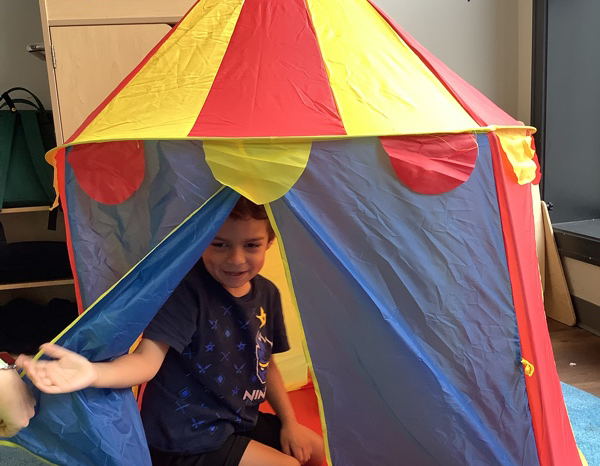
You watch your child playing in the sandbox, and suddenly another child approaches. Your heart skips a beat. What next? Will they share the bright red plastic shovel? Will they play nice or will there be tears?
These early social interactions are childhood milestones that build the foundation for life long skills and emotional resilience.
With nearly two decades of experience in early childhood therapeutic education, we’ve watched countless transformations through positive peer interactions.
Research dating back to the mid-20th century consistently shows that children who engage positively with peers benefit in four distinct areas: social skills, emotional growth, cognitive thinking, and self-esteem. This article will take a closer look at those areas.
If you would like more personalized insights, contact us today! We’re here to support you every step of the way.
Social Skills
Social interactions teach children essential skills like sharing, empathy, and cooperation. When children play together, they learn how to communicate their needs, resolve minor conflicts, and read social cues. Think about functional play—playing with toys exactly as they were designed to be used, like pushing a toy car on the floor or feeding a doll. When two children engage in functional play together, they must negotiate who gets to push the car first or who holds the doll.
These shared moments build a foundation for later communication. They learn to interpret a friend’s smile or recognize when a playmate feels upset. This environment provides a natural classroom where your child can practice taking turns and recognizing the feelings of others.
Emotional Growth
Being around peers helps children develop self-regulation skills. Self-regulation is the ability to manage big emotions and behaviors in response to the situation at hand. When a tower of blocks falls over because a friend bumped it, your child might feel immediate frustration. In a peer setting, they learn to manage that frustration, express joy when the tower is rebuilt, and cope with the anxiety of unpredictable social moments.
Through these interactions, children discover that emotions are temporary and manageable. They see other children expressing feelings and learn that it’s perfectly acceptable to feel sad, mad, or ecstatic. This shared emotional landscape builds deep emotional intelligence that serves them well into adulthood.
Cognitive Thinking
Playing and interacting with peers encourages problem-solving and critical thinking. Children are constantly challenged to think creatively and adapt to new situations when they play with others. If two children want to build a bridge but only have square blocks, they must collaborate to find a solution.
This collaborative play fosters massive cognitive growth. They test hypotheses, discover the properties of objects, and learn how things work together. Peer interactions require children to process information quickly and adjust their strategies, which stimulates brain development in profound ways.
Self-Esteem
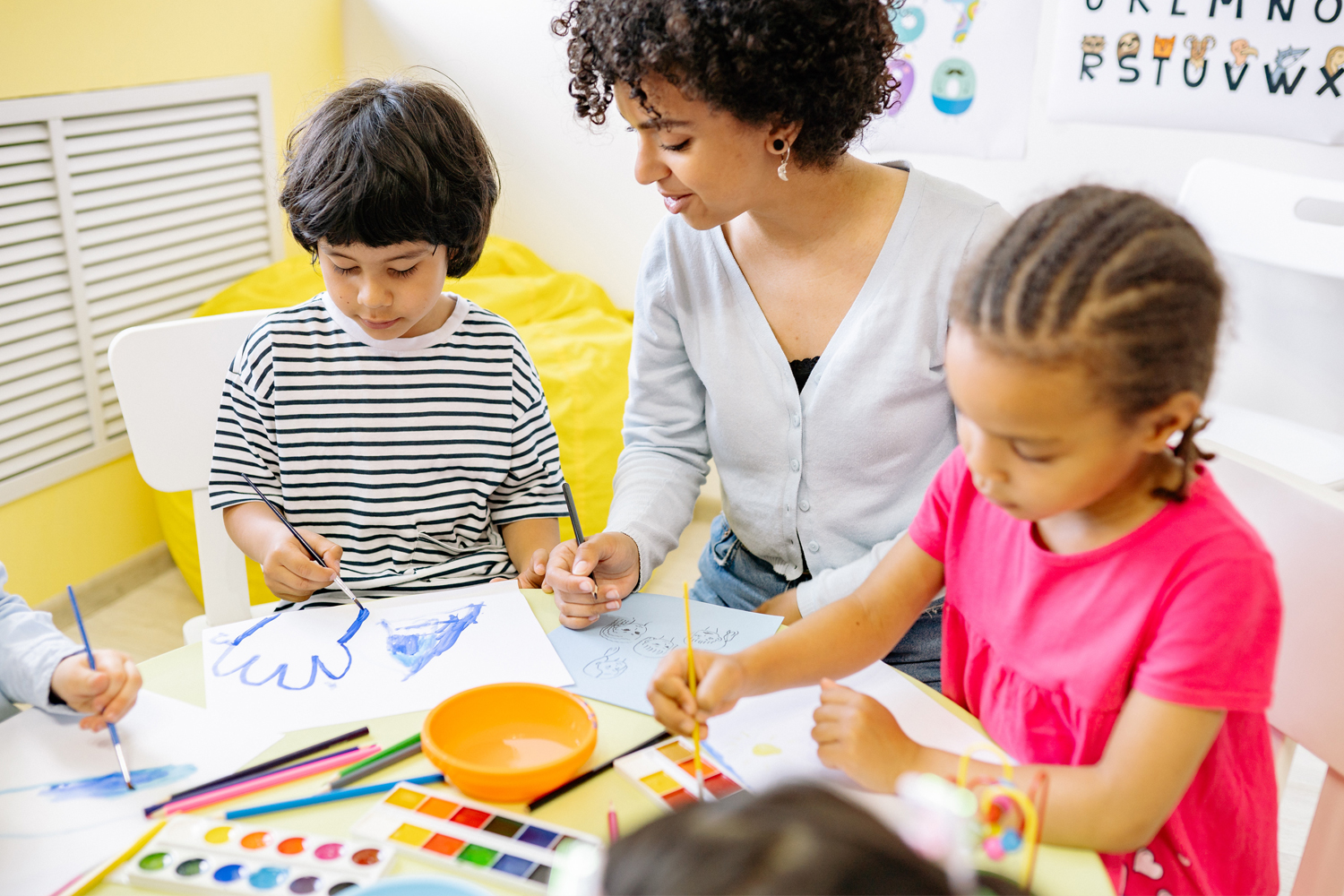
Positive peer interactions boost a child’s confidence and self-esteem. Feeling accepted and valued by peers has a direct, positive impact on how a child views themselves. When a peer invites your child to join a game or praises their drawing, it validates their self-worth.
We see this beautifully demonstrated in therapeutic rotations—small, structured group settings that simulate a preschool or kindergarten day. In these settings, children receive tailored support while interacting with peers, allowing them to build confidence in a safe, guided environment. Knowing they have friends who appreciate them gives children the courage to try new activities and face challenges with a positive mindset.
Overcoming Common Social Challenges
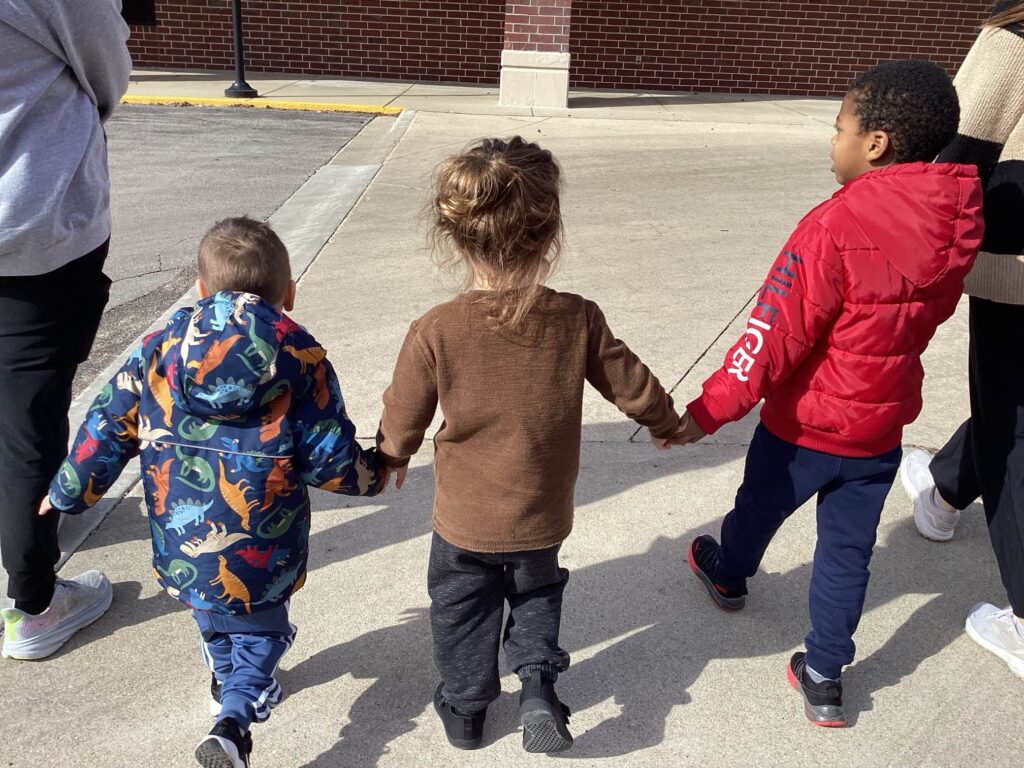
Getting enough early childhood social interaction is not always easy. Families often encounter specific hurdles, including social anxiety, issues with conflict, a lack of inclusivity, and limited access to peers.
Social Anxiety
To help reduce social anxiety, parents can arrange small playdates in familiar environments. Initially, limit the number of children involved to keep the environment from becoming overwhelming. Gradual exposure to peer interactions can help build confidence and ease the anxiety.
You can also role-play social interactions at home. Pretend to meet for the first time or practice asking to share a toy. This allows your child to practice social skills in a safe, low-pressure setting. Over our decades of experience, we’ve found that practicing these scenarios at home drastically reduces anxiety when the real situation arises.
Conflict Resolution
Children will inevitably encounter conflicts when interacting with peers. Teaching your child different approaches to conflict resolution is essential. You can use role-playing scenarios to demonstrate effective communication techniques. Teach them to use “I” statements, such as “I feel sad when you take my toy,” and practice active listening.
Resolving disagreements is a learned skill. By providing your child with the script and the tools to handle conflict, you empower them to navigate complex social waters with grace.
Inclusivity
Ensuring that all children feel included during peer interactions can be challenging. Educating children about empathy and respecting differences makes a significant impact. It’s highly beneficial to plan activities where every child can participate, regardless of their ability level or background.
For children with specific developmental needs, structured environments can provide the perfect balance of support and peer interaction. We believe in a collaborative team approach to ensure every child feels included, valued, and completely supported.
Limited Access to Peer Interaction
Some children may have limited opportunities to interact with peers. Seek out local community groups, virtual playdates, or organized extracurricular activities that align with your child’s specific interests. Libraries, community centers, and online platforms often host events that help children build friendships with like-minded peers.
Actionable Tips for Parents to Increase Social Interaction
Here are proven strategies to help increase your child’s early social interactions:
Encourage Playdates: Organize regular playdates to provide opportunities for your child to interact with other children in a controlled environment. Keep the initial visits short and structured.
Join Parenting Groups: Participate in local parenting groups. These groups allow children to engage with others while you connect with fellow parents who understand your specific journey.
Enroll in Group Activities: Consider enrolling your child in group activities like sports teams, art classes, or music groups. These structured environments naturally promote social interaction around a shared interest.
Model Positive Social Behavior: Children learn by observing the adults around them. Demonstrate positive social interactions, polite greetings, and active listening. Encourage your child to mirror these behaviors.
Read Social Stories: Use books and stories that focus on social interactions. Social stories—short narratives that explain specific social situations—instruct your child about social dynamics, empathy, and expected behaviors in a highly visual and accessible way.
Effective Communication with Teachers: Teachers offer incredible insights into a child’s social interactions at school. They can identify areas where your child excels or might need additional support. Collaborate with educators to create strategies tailored to your child’s needs, ensuring consistent support both at home and in school settings.
Cultivating Emotional Intelligence: Children need to express their feelings and learn to recognize emotions in others. Have open conversations about emotions with your child, using everyday situations as learning opportunities. Discuss how different scenarios make people feel. Books and stories that include emotional themes or perspectives from multiple characters serve as excellent tools for discussing complex emotional experiences. Family movie nights featuring films that personify emotions are great ways to foster emotional literacy at an early age.
Toys and Games That Build Social Skills
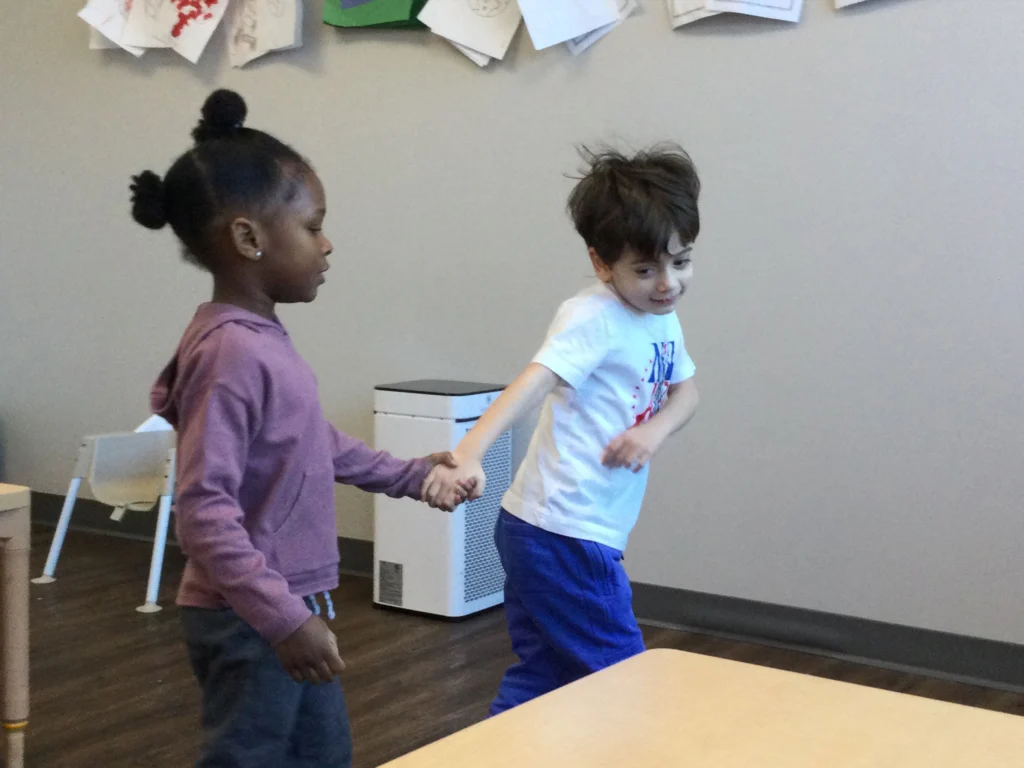
The right tools can make learning social skills incredibly fun. Here are highly recommended toys and games that naturally encourage sharing, turn-taking, and cooperation:
- Melissa & Doug Wooden Building Blocks Set: A classic block set that encourages cooperative play and sharing. Children must negotiate space and materials to build together.
- The Sneaky, Snacky Squirrel Game: A fun game that teaches turn-taking, color matching, and friendly competition in a highly engaging way.
- LEGO Classic Medium Creative Brick Box: Perfect for collaborative building projects. Children can work together to build entire cities, requiring communication and teamwork.
- Crayola Inspiration Art Case: Encourages group creativity and sharing art supplies. Passing the blue marker or collaborating on a mural builds silent social bonds.
- Alphabet Bingo: A great game for learning letters while practicing the social skills of listening and following rules.
- ThinkFun Zingo Bingo: Promotes interaction, quick thinking, and the ability to handle winning and losing gracefully.
- Hape Wooden Doll House Furniture: Encourages imaginative play and role-playing scenarios. Children can act out family dynamics and practice social scripts.
- Wonder Forge Richard Scarry’s Busytown: A fantastic cooperative game that teaches teamwork. Everyone works together to reach the goal, eliminating the stress of individual competition.
- Learning Resources New Sprouts Classroom Play Kitchen Set: Ideal for role-play and sharing. Children can practice serving others and taking orders, which builds functional communication.
- Play-Doh Modeling Compound 10-Pack Case of Colors: Great for group creativity, sharing ideas, and sensory regulation.
Early peer experiences play a pivotal role in shaping a child’s social, emotional, and cognitive development. By encouraging positive interactions with peers, you help your child build the essential skills they need for a successful, fulfilling life. We’re here to partner with your family on this incredible developmental journey, transforming potential into beautiful progress.
Whether it’s answering your questions, providing guidance, or helping you explore our tailored programs, we’re here for you every step of the way. Contact us today to learn more about how we can partner with your family on this incredible journey.
Frequently Asked Questions
How can I help my child build friendships if they are shy or have social anxiety?
Start with small, predictable playdates in a familiar environment and consider role playing social situations at home. Gradually expand the group size and provide positive feedback for brave social steps. Over time, children often gain confidence and start to initiate interactions more easily.
What if my child struggles to resolve conflicts with peers?
You can teach conflict resolution skills by encouraging open communication and using simple phrases like “I feel” statements. Practicing these at home helps children apply them when disagreements arise. Guided group activities and support from teachers or therapists can also help children build these essential life skills in real time.
Why do early peer experiences matter so much for children with developmental differences?
Meaningful peer experiences provide guided practice in communication, teamwork, and problem-solving. Children with diverse developmental needs benefit greatly from structured, supportive environments that foster social growth and confidence building, laying a strong foundation for future success.
Blue Bird Day—the first therapeutic preschool and kindergarten program in the nation—fosters socialization, sensory regulation, and pre-academic learning in children ages 2-6 years. Our compassionate therapists practice a relationship-based and family-centered approach, provide parent training, and collaborate on goals and individualized intensive treatment plans for your child.
We believe in a collaborative and multi-disciplinary team approach to therapy. A team of occupational therapists, speech-language pathologists, dietitians, developmental therapists, behavioral therapists, physical therapists, and therapeutic assistants are created for each child to ensure child and family are fully supported and the best possible results are achieved.
Options for individualized, group and virtual therapy sessions are available as well.
Want to learn more or you have a specific question? Feel free to connect with us here!