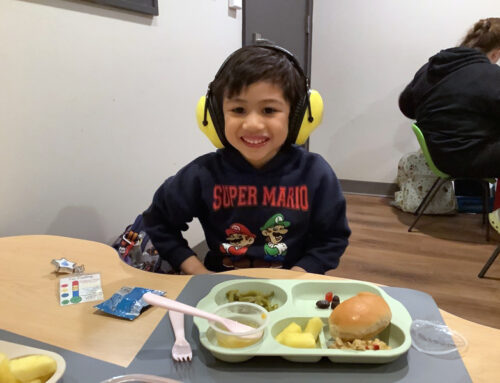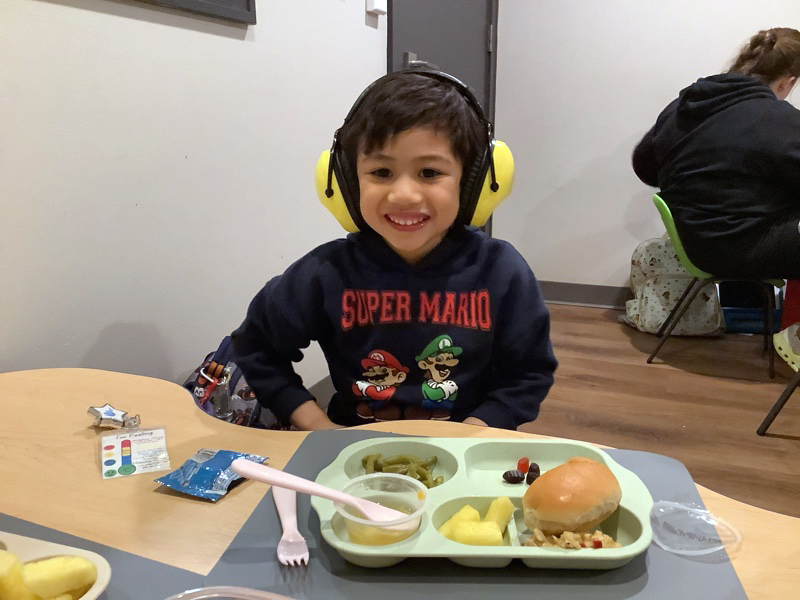
Mealtimes should feel simple. You prepare food, your family sits down, and dinner brings people together. However, for many families with neurodiverse children, meals can turn into a high stakes negotiation with a tiny, determined negotiator who has declared war on green vegetables.
We know the exhaustion that comes from pouring effort into meals only to face pushback, tears, or outright refusal. The worry about nutrition can weigh heavy, replacing family connection with anxiety.
If you are searching for support with feeding disorders in Chicago, remember you do not have to face these challenges alone. There is hope and a new direction.
When helping a child learn to eat, it can feel a lot like trying to build a complicated structure with a blueprint written in a language you don’t understand. You gather the right ingredients and bring the best intentions to the table.
However, the pieces may not come together as you expected. Your child might recoil from the sight of a banana or only accept a certain texture. This resistance runs deeper than picky eating.
Often, disrupted foundational steps cause children to miss opportunities for safe, positive experiences with new foods. This is where the Sequential Oral Sensory (SOS) approach creates a fresh path forward, translating complex sensory cues into practical steps for progress.
The True Steps to Eating
Eating develops in stages, a bit like learning to ride a bike. Success does not arrive overnight. First, a child learns to tolerate being near the bike. Eventually, they might sit on the seat, push with their feet, and find their balance before finally pedaling on their own. Eating follows a similar, stepwise journey.
The SOS method views mealtime not just as chewing and swallowing, but as a 32 step sequence. The process starts long before the first bite, beginning with tolerating the presence of food in the room, then moving it to the table, and then the plate. Interacting with food—touching, smelling, tasting— each builds comfort.
When a child skips some of these milestones, meals can become stressful. The SOS approach helps families revisit and strengthen these important building blocks.
Most parents make heroic efforts, cutting sandwiches into fun shapes, hiding veggies in sauces, or offering just one more bite. Those efforts show tremendous care. When nothing works, discouragement can creep in.
However, the struggle is frequently about much more than food. For many children, the sensory experience itself presents real barriers. The SOS strategy respects every child’s unique sensory world. Using gentle, play based experiences, therapists remove expectation and make mealtime a safe, collaborative space for learning. Progress and trust can develop step by step.
A Systematic Ladder of Learning
The SOS model organizes growth as a ladder. Consider a video game: You do not fight the final boss on day one. First, you practice, gain confidence, and build skill. Each new level prepares you for the next.
In feeding therapy, the “levels” are steps to eating. A child may begin by sitting at the table with new food in the room, then see it on their plate, and later feel brave enough to touch it.
Pushing for a leap straight to eating can lead to anxiety or failure, so celebrating every small advance matters. These early steps build a critical foundation of trust—trust in the environment, in supportive adults, and in their own ability to try.
For some children, just sitting calmly at the table with a carrot on the plate is a significant accomplishment. When caregivers and therapists honor these small milestones, children feel respected and understood. Progress becomes possible because every step is practiced without pressure.
From Play to Taste
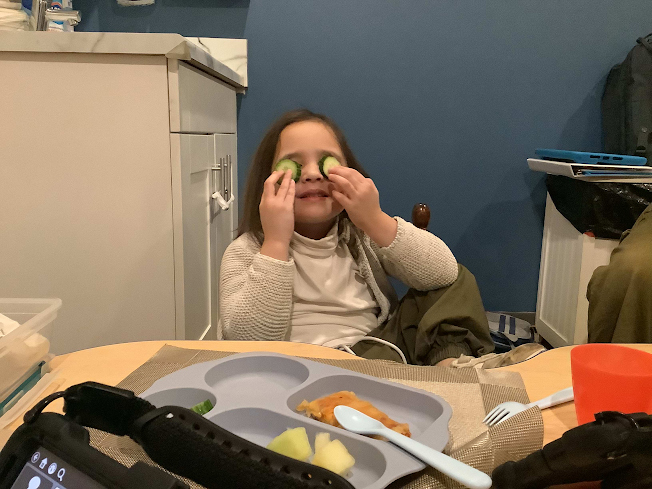
Once tolerance is established, the next stage is interaction. Food becomes a tool for play, art, and sensory discovery. Children are encouraged to use their fingers, pretend a green bean is a magic wand, or stack pieces of broccoli into trees.
Through playful interaction, they gather information about temperature, color, sound, and texture, all without having to eat the food. By demystifying unfamiliar textures, food shifts from being a source of fear to something that can be fun, even if messy.
Next, children gradually get comfortable with the smell of new foods. Sometimes this means holding a strawberry under the nose, pretending it is a flower, or giving a grape a gentle kiss. Smell is powerful, connecting to taste and memory.
When children learn a scent is safe, they move closer to tasting without feeling overwhelmed. Tasting does not happen all at once.
The SOS approach breaks tasting into very small steps: touching food to the lips, giving it a tiny lick, then maybe putting a piece in the mouth and deciding what to do next.
Spitting food out is allowed; positive experiences matter more than finishing a bite.
This approach lets children feel in control and reduces anxiety, making brave attempts more likely over time. When readiness grows, children start to chew and swallow at a pace that feels possible for them.
A Whole Child Approach
SOS feeding therapy respects the whole child. Challenges at meals rarely come from just one place. Sensory preferences, muscle strength, and feelings about the table all play a part.
Our team brings together occupational therapists, speech language pathologists, social workers, and physical therapists to create tailored plans for each child.
Occupational therapists focus on the body’s sensory foundation. They help a child’s nervous system process information from the world in ways that build comfort and focus. Sometimes this means regulating the body with movement, other times it means practicing utensil use or sitting posture.
Speech language pathologists have a different toolkit. They look at the muscles used for chewing and swallowing. These specialists find ways to make sure every child’s jaw, tongue, and lips are ready to take on new foods. Games and simple strengthening activities turn practice into play, targeting skills that will help children eat safely and confidently.
Social workers care for emotions and family stress. Mealtime can bring anxiety for parents and siblings too. Social workers teach routines and simple regulation tools, helping families create a calm, supportive environment at home and at school. When the family’s feelings are honored and supported, children have a better chance to succeed at the table.
Physical therapists address the foundational motor and postural skills necessary for safe and effective eating. They evaluate a child’s core strength, balance, and posture, ensuring the physical mechanics of sitting and feeding are properly supported.
This team approach addresses each child’s profile and the family’s priorities. The SOS method works because it looks beyond the food and takes into account all of the reasons a child may struggle at mealtimes.
The Time to Interrupt the Cycle
Change is rarely easy. Some days bring success, while others test everyone’s patience. However, you do not face this alone. Seeking help is courageous and speaks to your love and hope for your child.
Accepting support means you believe new patterns are possible and are ready to create a future free from anxiety with every meal.
Each meal is another chance to build positive experiences and new skills. The earlier these steps are offered, the less power old patterns hold. Children’s sensory and emotional systems are open to change, especially when support starts early.
However, postponing support allows fears and refusals to take deeper root, making it harder for change to last. Do not let another week pass with worry ruling your family’s table.
You can create joyful, connected mealtimes. The decision to start is powerful. Support, strategies, and a network of caring professionals will help you and your child break free from cycles of frustration.
The tools for lifelong healthy eating are within reach. Start today, and take the first step toward restoring calm and connection at your table.

Blue Bird Day—the first therapeutic preschool and kindergarten program in the nation—fosters socialization, sensory regulation, and pre-academic learning in children ages 2-6 years. Our compassionate therapists practice a relationship-based and family-centered approach, provide parent training, and collaborate on goals and individualized intensive treatment plans for your child.
We believe in a collaborative and multi-disciplinary team approach to therapy. A team of occupational therapists, speech-language pathologists, dietitians, developmental therapists, behavioral therapists, physical therapists, and therapeutic assistants are created for each child to ensure child and family are fully supported and the best possible results are achieved.
Options for individualized, group and virtual therapy sessions are available as well.
Want to learn more or you have a specific question? Feel free to connect with us here!