Living with a child on the autism spectrum, or any neurodiverse child, often feels like you’re learning a new dance together. Some days you glide. Some days you step on each other’s feet.
Planning and preparation can make the dance smoother, and having a few reliable strategies in your back pocket can make meltdown moments easier for everyone.
For nearly two decades, we’re provided early childhood therapeutic care for families in the Chicagoland area. We know that every child is unique, so it’s important to find the right calming techniques for your family.
That’s why we created a list of 30 calming strategies derived from years of experience that are designed to help you find balance and peace in everyday situations.
You don’t need to use all 30. Try them out and use the ones that work best for you!
If you’d like more personalized insights, please contact us today. We’re here to support you every step of the way.
1. Deep Pressure Therapy
Activities that provide a sense of security and comfort, such as hugging, using weighted blankets, or wrapping up tightly in a soft blanket, can be incredibly soothing for children. Deep pressure helps regulate the nervous system and promotes a gentle sense of calm.
Think of it as a firm, reassuring hug that tells your child’s body they’re safe. Always ensure the weight is appropriate for your child’s size and that they can remove the blanket independently.
2. Sensory Bins
Sensory bins filled with materials like rice, dry beans, or kinetic sand allow children to play and manipulate the contents with their hands. This provides tactile (touch) stimulation that can help them feel more grounded and focused. You can hide small toys inside the bin for them to find, turning a calming activity into an engaging game that redirects their attention away from overwhelming feelings.
3. Designated Quiet Spaces
Create a specific quiet space at home equipped with items your child finds calming. This might include favorite books, soft and dim lighting, or a cozy beanbag chair. This provides a safe retreat for them to escape from overwhelming sights and sounds. When the world feels too big and loud, this small, predictable corner offers a sanctuary for emotional reset.
4. Regular Exercise
Physical activities like swimming, riding a bike, or going for a brisk walk can help children burn off excess energy and feel much calmer. Regular exercise promotes overall health and releases endorphins, which naturally boost mood. Incorporating movement into your daily routine helps your child manage stress before it bubbles over into a meltdown.
5. Music Therapy
Listening to soothing music or engaging in activities like drumming and singing can regulate breathing and reduce stress. Music therapy is a powerful tool for emotional regulation because it engages multiple parts of the brain at once. You might create a specific “calm down playlist” featuring gentle instrumental tracks or your child’s favorite quiet songs to play during transitions.
6. Aromatherapy
Using scented candles, essential oils, or diffusers with calming scents like lavender, chamomile, or sweet orange can create a peaceful atmosphere. Scent is strongly tied to the brain’s emotional center. Always introduce new scents slowly to ensure your child does not have a sensory aversion to them, and use high-quality, child-safe oils.
7. Massage Therapy
Gentle touch through massage can help regulate the nervous system and provide a deep sense of comfort and relaxation. This technique can easily be incorporated into daily routines, such as rubbing your child’s back before bedtime or massaging their hands with unscented lotion after school. It also provides a wonderful opportunity for you and your child to bond.
8. Mindfulness and Breathing
Practicing mindfulness techniques such as deep breathing, simple visualization, or guided meditation can significantly reduce stress and anxiety. Encourage your child to engage in mindfulness exercises by keeping it concrete. For example, ask them to “smell the flower” (breathe in through the nose) and “blow out the candle” (breathe out through the mouth).
9. Creative Activities
Creative outlets like drawing, finger painting, or building with clay can help children feel more relaxed and focused. These activities allow them to express themselves in non-verbal ways, which is especially helpful if they’re struggling to find the words to explain why they’re upset. Focus on the process of creating rather than the final product.
10. Adapted Yoga
Yoga combines deep breathing, grounding movements, and elements of meditation, making it an excellent practice for children. It encourages both physical and mental relaxation. You can use visual cards with animal poses (like “downward dog” or “cat pose”) to make the practice fun, engaging, and easy to understand for young minds.
11. Visual Schedules
Children thrive on predictability. Using visual schedules and charts with pictures showing the steps of their day reduces the anxiety of the unknown. When a child knows exactly what’s coming next, they feel more in control of their environment. This is a foundational tool used in therapeutic rotations for kids to ease transitions between activities.
12. Chewy Tools
Many children seek oral sensory input to calm themselves. Chewy tools, often worn as necklaces or placed on the ends of pencils, provide a safe and appropriate way for children to bite and chew. This repetitive jaw movement is highly organizing for the nervous system and can quickly help a frustrated child find their center.
13. Heavy Work Activities
“Heavy work” refers to activities that push or pull against the body, providing proprioceptive input (body awareness). Have your child push a heavy laundry basket across the floor, carry a stack of books, or do wall pushes. This physical resistance tells the brain exactly where the body is in space, which is deeply organizing and calming.
14. Fidget Tools
Keeping hands busy can help calm an anxious mind. Fidget tools like pop-its, stress balls, or tangle toys provide small, repetitive movements that help channel nervous energy. Keep a small basket of quiet fidgets in the car or in your child’s backpack so they always have access to tactile redirection when they feel overwhelmed.
15. Swinging and Rocking
The gentle, rhythmic motion of swinging or rocking provides vestibular input (balance and movement). A porch swing, a sensory swing installed in a doorway, or even a traditional rocking chair can soothe a dysregulated child. The steady back-and-forth motion mimics the comforting feeling of being rocked as a baby.
16. Blowing Bubbles
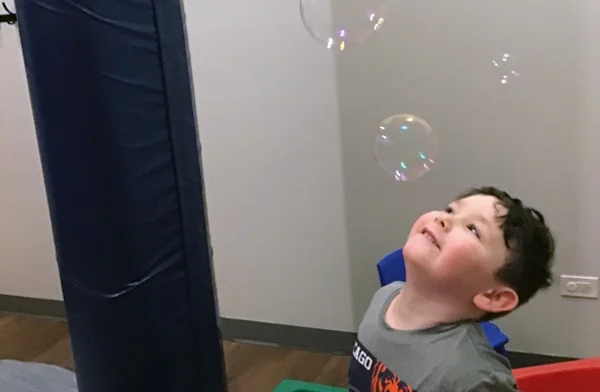
Blowing bubbles is a fantastic, playful way to encourage deep, controlled breathing. To blow a big bubble, a child must pucker their lips and exhale slowly and steadily. This naturally slows their heart rate and calms their nervous system without them ever realizing they’re doing a deep breathing exercise.
17. Noise-Canceling Headphones
For children who are easily overwhelmed by auditory input, noise-canceling headphones are a game-changer. Whether you’re in a crowded grocery store, attending a family gathering, or just running the vacuum at home, providing a way to mute the world helps prevent sensory overload and subsequent meltdowns.
18. Joint Compressions
Joint compressions involve applying gentle, firm pressure to a child’s joints (shoulders, elbows, wrists, hips, knees, and ankles). This should only be done after consulting with your child’s occupational therapist to ensure proper technique. When done correctly, it provides immediate proprioceptive feedback that calms the central nervous system.
19. Water Play
Water has natural soothing properties. If your child is escalating, a warm bath can change their sensory environment and lower their stress. If a bath isn’t possible, simply having them wash their hands in warm water or play with cups in the sink can provide grounding tactile and temperature input.
20. Parental Co-Regulation
Children borrow our nervous systems. When they’re dysregulated, they cannot calm down if the adults around them are stressed. Co-regulation means staying calm, speaking in a low, slow voice, and modeling deep breathing yourself. Your calm presence is often the most powerful therapeutic tool your child has.
21. Weighted Lap Pads
Similar to a weighted blanket, a weighted lap pad provides deep pressure but is smaller and more portable. It’s perfect for sitting at the dinner table, riding in the car, or doing a tabletop activity. The gentle weight across the lap helps ground a child, making it easier for them to focus and stay seated during structured tasks.
22. Visual Calming Jars
Visual calming jars, often filled with water, clear glue, and glitter, are wonderful tools for emotional regulation. When a child is upset, they can shake the jar and watch the glitter slowly settle to the bottom. This acts as a visual anchor, giving them a quiet, mesmerizing focus point while their breathing naturally slows down.
23. Crunchy Snacks
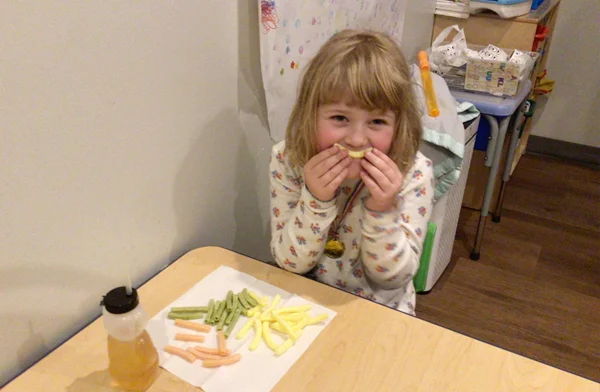
Eating crunchy snacks like pretzels, apple slices, or carrot sticks provides excellent oral proprioceptive input. The hard work of chewing sends organizing signals to the brain, which can help a child feel more alert and grounded. It’s a simple, natural way to help a child regulate their sensory system during a busy afternoon.
24. Therapy Balls (Peanut Balls)
Having your child sit or bounce gently on a therapy ball or peanut-shaped ball offers wonderful vestibular input. Bouncing provides a rhythmic motion that many children find deeply soothing. You can also have them lie on their stomach over the ball and gently roll them back and forth, which provides comforting deep pressure.
25. Dimming the Lights
Bright overhead lights, especially fluorescent ones, can be visually overwhelming for neurodiverse children. Dimming the lights or switching to soft, warm lamps can immediately change the feel of a room. Reducing visual clutter and harsh lighting lowers the overall sensory load, making the environment much more relaxing.
26. Creating a “Calm Down” Kit
Work together with your child to create a personalized calm down kit in a small box or backpack. Include items they love, such as a favorite soft toy, a sensory brush, a visual timer, and a coloring book. Having a dedicated kit empowers your child to take charge of their own calming process when they start feeling overwhelmed.
27. Deep Breathing with Pinwheels
If your child struggles with the concept of deep breathing, a pinwheel is a perfect visual aid. Ask them to take a big breath and blow on the pinwheel to make it spin. This turns a therapeutic exercise into a fun, rewarding game. They learn to control their breath, which directly calms their nervous system.
28. Rhythmic Tapping
Rhythmic tapping involves gently tapping a steady beat on your child’s shoulder, knee, or back. You can also teach them to tap their own collarbone or lap. The repetitive, predictable rhythm helps organize the brain and distracts from spiraling anxiety. It’s a discreet strategy that can be used anywhere, even in a busy grocery store.
29. Tactile Brushing
Tactile brushing involves using a soft, specialized sensory brush on the child’s arms, back, and legs. This technique, often taught by occupational therapists, provides specific tactile input that reduces sensory defensiveness. Always consult with your therapist to learn the correct pressure and pattern, ensuring it’s a comforting experience for your child.
30. Animal-Assisted Comfort
Interacting with a friendly, calm pet can be incredibly soothing. Petting a dog or cat lowers heart rates and releases oxytocin, the “bonding hormone.” If you do not have a pet, a large, moderately heavy stuffed animal can serve a similar purpose. Hugging a soft companion provides both tactile comfort and a sense of emotional security.
Partnering With Your Family for Long-Term
Incorporating these calming techniques into your child’s routine can help them learn to regulate their emotions and feel more comfortable and confident in their environments.
However, you don’t have to figure this out alone. Comprehensive care under one roof makes a profound difference in a family’s daily life.
If you’re looking for a therapeutic preschool or kindergarten that Chicago families trust and rely on, Blue Bird Day is the choice. We foster socialization, sensory regulation, and pre-academic learning in children ages 2-6 years old, by using therapeutic rotations that simulate preschool and kindergarten settings.
We believe in a collaborative, multi-disciplinary team approach to therapy, ensuring your child receives individualized, empathy-driven care. With almost two decades of experience in early childhood therapeutic education, we’ve built a foundation of trust and proven outcomes.
If you need further guidance or personalized advice, our team is here to help. Your next step is to reach out to our admissions team to schedule a tour and discover how our integrated approach can support your child’s unique journey. Together, we can build confidence, one milestone at a time!
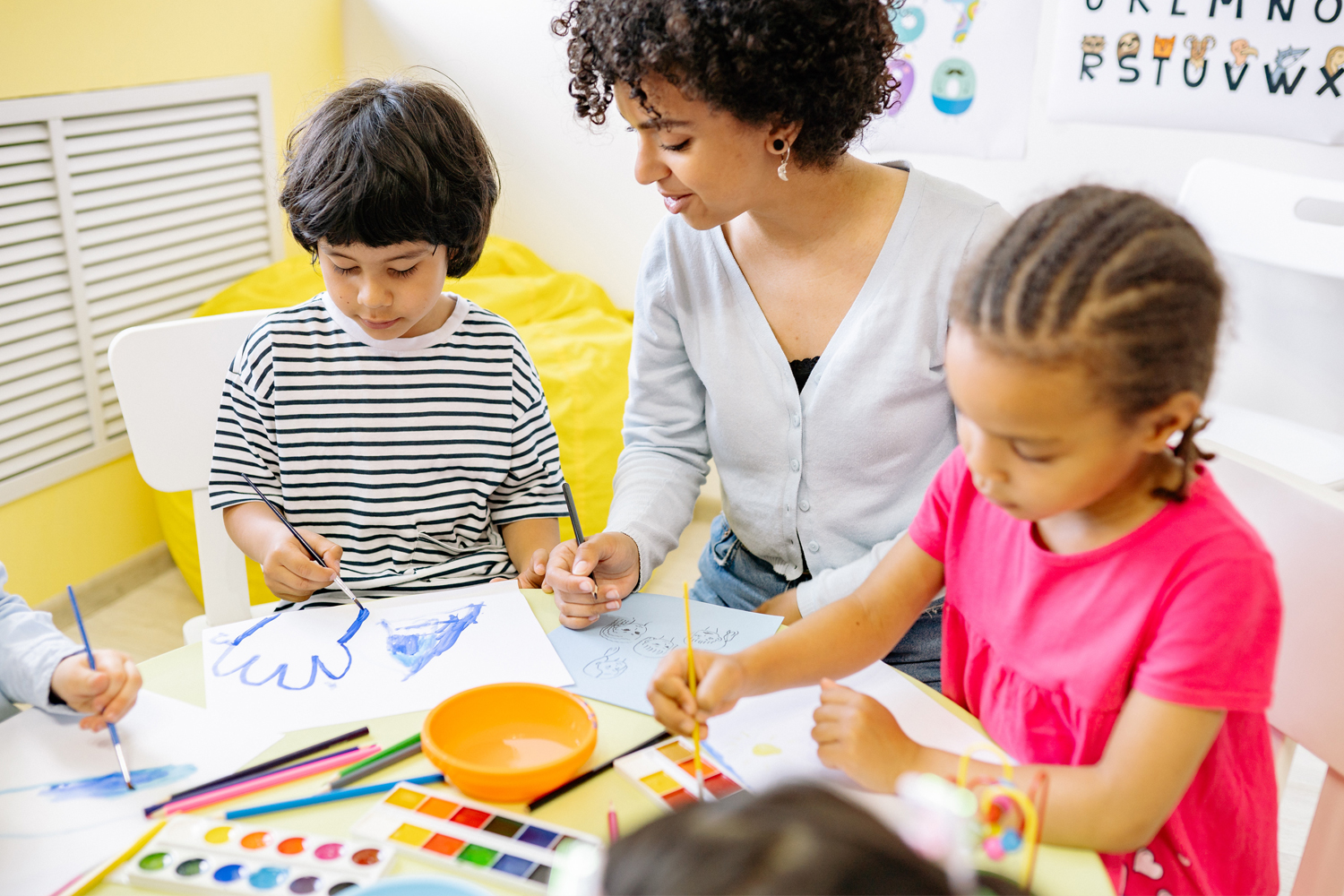
Blue Bird Day—the first therapeutic preschool and kindergarten program in the nation—fosters socialization, sensory regulation, and pre-academic learning in children ages 2-6 years. Our compassionate therapists practice a relationship-based and family-centered approach, provide parent training, and collaborate on goals and individualized intensive treatment plans for your child.
We believe in a collaborative and multi-disciplinary team approach to therapy. A team of occupational therapists, speech-language pathologists, dietitians, developmental therapists, behavioral therapists, physical therapists, and therapeutic assistants are created for each child to ensure child and family are fully supported and the best possible results are achieved.
Options for individualized, group and virtual therapy sessions are available as well.
Want to learn more or you have a specific question? Feel free to connect with us here!