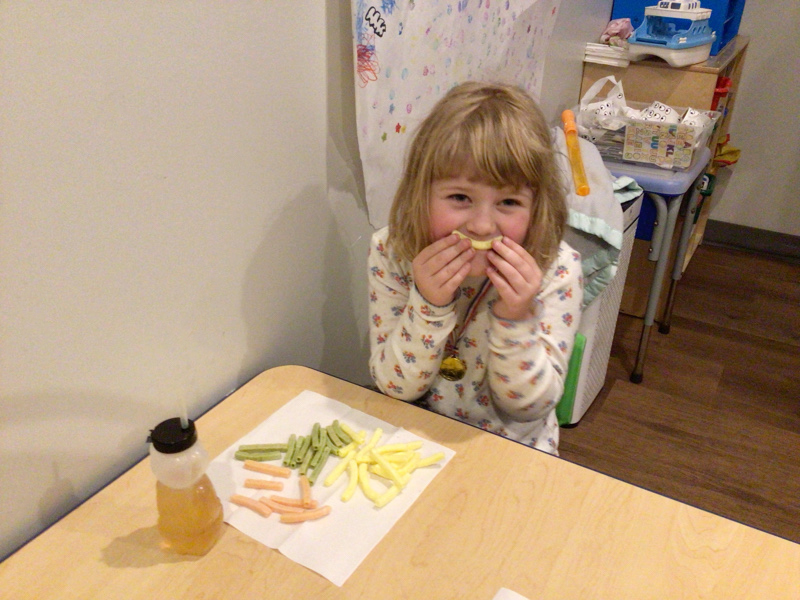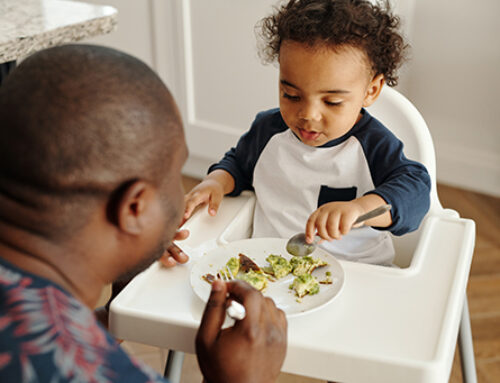
The worry that your child is not getting enough nutrition is a feeling that can settle deep in a parent’s bones. You watch your child eat the same handful of foods, day after day. The menu consists of plain pasta, a specific brand of chicken nuggets, maybe some crackers, and that one yogurt tube, but only the red one.
You have tried everything, from hiding vegetables in smoothies to performing a puppet show with a piece of broccoli, which ended with the broccoli being launched across the kitchen. However, the wall of refusal feels absolute. This situation is often mislabeled as simple picky eating, but for many children, the resistance is not behavioral. It is sensory-driven.
The good news is that there is a gentle, evidence-informed method that respects your child’s experience. This strategy is called food chaining, and it offers a supportive path forward.
What Is Food Chaining?
Food chaining is a structured, step-by-step feeding approach designed to expand a child’s diet by carefully building upon foods they already accept. It’s not about forcing or tricking a child into eating.
Instead, this method methodically introduces new foods that share sensory characteristics with a child’s preferred, or “safe,” foods. The process is rooted in a deep understanding of sensory processing, oral-motor development, and the principles of trust-based feeding.
Each new food is a small, manageable step away from a familiar one, making the experience predictable and less overwhelming.
The reason this approach is effective is that familiarity reduces sensory threat. For a child who experiences the world with heightened senses, a new food can feel like a genuine danger. Its unfamiliar texture, smell, color, or even shape can trigger a protective response that shuts down appetite.
By making only tiny changes at a time, such as offering a different brand of the same cracker or a slightly different shape of pasta, you keep the food within the child’s zone of comfort.
This process respects the child’s nervous system, slowly widening their circle of accepted foods without causing distress. It’s a partnership that builds confidence and transforms mealtimes from a source of conflict into an opportunity for positive discovery.
Why Some Children Need Food Chaining
A child’s refusal to eat is rarely a simple act of defiance. It’s often a complex response rooted in their unique developmental profile. For these children, food chaining offers a path forward that respects their individual needs.
The reasons a child might require this structured approach are varied, but they typically fall into three main categories: sensory processing differences, oral-motor readiness, and emotional associations with food.
Sensory Processing Differences
Many children who are selective eaters experience the world through a heightened sensory lens. What might be a pleasant aroma or an interesting texture to one person can feel overwhelming or even painful to a child with sensory sensitivities.
This is a core aspect of sensory processing differences. For these children, the sensory properties of food, including its texture, temperature, smell, and color, are evaluated with much greater intensity. A crunchy cracker might be enjoyable because the sound and feel are predictable.
However, a food with a mixed texture, like yogurt with fruit, can be alarming because it is inconsistent. The brain cannot easily categorize it, which may trigger a protective refusal.
The bright color of a vegetable or the strong scent of a spice can create a sensory overload that shuts down their appetite before the food even reaches their mouth.
Food chaining helps by introducing changes to these sensory properties one at a time, allowing the child’s nervous system to adapt without becoming overwhelmed.
Oral-Motor Readiness
Eating is a physically demanding task that requires sophisticated oral-motor skills. A child must have the jaw strength to chew, the ability to move their tongue from side to side to manipulate the food, and the coordination to manage different textures at once.
Oral-motor readiness refers to the development of these essential skills. Some children avoid certain foods simply because they do not yet have the physical capacity to eat them safely and effectively.
For example, a child may reject a piece of steak not because they dislike the flavor, but because they lack the jaw strength to chew it properly. They may spit out soft fruits mixed into oatmeal because they have not yet mastered the skill of managing mixed textures in their mouth.
These children often prefer foods that match their current abilities, such as smooth purees or items that dissolve easily. Food chaining supports the gradual development of oral-motor skills by introducing foods that require slightly more advanced chewing or manipulation, building strength and coordination in a safe, sequential manner.
Feeding History and Emotional Associations
A child’s past experiences with food profoundly shape their willingness to try new things. A single negative event, such as a choking incident, a painful gagging experience, or mealtimes filled with pressure and anxiety, can create lasting emotional associations.
This feeding history can link the act of eating with feelings of fear, stress, and a lack of control. When a child feels pressured, their body enters a “fight or flight” state, which naturally suppresses appetite and makes them less receptive to new experiences.
For these children, mealtimes can become a source of significant anxiety. They may refuse foods not because of their sensory properties, but because they associate the entire situation with emotional distress.
Food chaining works to rebuild a foundation of trust. By following the child’s lead, eliminating pressure, and ensuring they feel safe and in control, the approach helps to create new, positive emotional associations with food.
It shifts the dynamic from a battle of wills to a collaborative journey of discovery, where emotional safety is the most important ingredient.
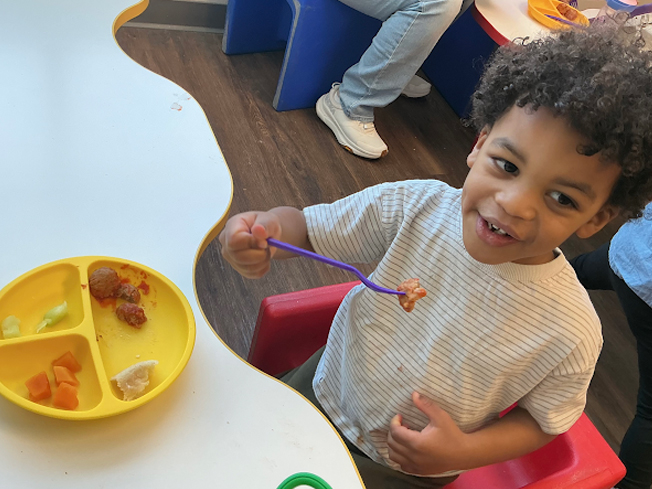
The Core Principles of Food Chaining
Food chaining is guided by a set of core principles that prioritize the child’s sense of safety and autonomy. These principles ensure the process is respectful, effective, and tailored to the individual needs of your child. Understanding these foundational ideas is key to successfully expanding your child’s diet and building a positive relationship with food.
Start With the “Safe Foods”
The entire process begins with a thorough understanding of the foods your child already eats and trusts. These are known as “safe foods.” The first step is to identify and analyze these items in detail.
You are not just listing the foods but examining their specific sensory properties. What flavor profiles does your child prefer, such as sweet, salty, or savory? What textures do they accept, like crunchy, smooth, or chewy? Even factors like temperature and brand are critical pieces of information.
A detailed inventory of these safe foods provides the starting point for every food chain you will build. This collection of accepted foods is the foundation upon which all new learning will occur.
Make Micro-Shifts, Not Leaps
The central mechanism of food chaining is making extremely small, incremental changes to a safe food. The goal is to introduce a new food that is so similar to an accepted one that it doesn’t trigger a fear response.
This means changing only one sensory property at a time. For example, you might change the shape of a cracker while keeping the brand, flavor, and texture the same. Other micro-shifts could involve altering the color, the level of crunch, the seasoning, or the temperature.
Instead of jumping from a chicken nugget to a piece of grilled chicken, you would make a series of tiny changes, perhaps starting with a different brand of nugget, then a homemade nugget, then a lightly breaded chicken strip.
These micro-shifts make the new food feel familiar and predictable, which reduces sensory anxiety and increases the likelihood of acceptance.
Follow the Child’s Sensory Logic
Children who are highly selective eaters often operate with a consistent sensory logic. Their food preferences are not random; they are based on how their nervous system processes sensory information.
For example, a child might prefer crunchy foods because the sound and texture are predictable and consistent with every bite. Smooth foods might feel calming, while mixed textures feel chaotic and unsafe.
Following your child’s sensory logic means trying to understand the “why” behind their preferences. By recognizing these patterns, you can make more strategic choices when building a food chain.
If your child prefers crunchy textures, you can build a chain that moves from one crunchy snack to another, slowly expanding their repertoire within that trusted category.
Build Trust, Not Pressure
Perhaps the most important principle of food chaining is the commitment to building trust and eliminating pressure from mealtimes. When a child feels pressured to eat, their body’s stress response is activated, which physically suppresses appetite and reinforces a negative association with food.
Pressure backfires by making the child feel a lack of control, leading to greater refusal. Instead, food chaining is built on creating an environment of curiosity and autonomy. The child is invited to explore the new food at their own pace without any expectation that they will eat it.
This approach gives them the power to decide how they will interact with the food, which fosters a sense of emotional safety. When trust is the foundation, a child is more likely to engage with new foods willingly and develop genuine confidence in their ability to try new things.
How to Build a Food Chain: Step-by-Step
Putting the principles of food chaining into practice can feel like a large task, however, it’s a logical and methodical process. By breaking it down into manageable steps, you can begin to build bridges from your child’s safe foods to new ones. This step-by-step guide provides a clear path to get started.
Step 1: Create a Sensory Profile of Current Foods
Before you can build a chain, you must understand your starting point. This involves creating a detailed sensory profile of every food your child currently accepts. Take the time to list out all their safe foods. Next to each one, analyze its properties.
Categorize each food by its texture (e.g., crunchy, smooth, chewy, soft), its dominant flavor profile (e.g., sweet, salty, savory, bland), its typical temperature (e.g., hot, cold, room temperature), and its specific brand.
Being this detailed is important because it reveals the patterns in your child’s preferences. You might discover that all their accepted foods are beige and crunchy, or that they only eat smooth foods served cold. This sensory profile is your roadmap.
Step 2: Identify the First “Bridge Food”
Once you have your sensory profile, you can identify the first link in your chain, known as a “bridge food.” A bridge food is a new food that is extremely similar to one of your child’s safe foods. The goal is for the new food to be about 80 to 90 percent the same as the accepted one, with only one minor sensory difference.
For example, if your child loves a specific brand of chicken nugget, your first bridge food might be a different brand of chicken nugget that looks and tastes almost identical. Or, if they eat wavy potato chips, the bridge food could be a plain, flat potato chip from the same brand.
The key is to select a bridge food that is a tiny, logical step away from the familiar, making it feel predictable and safe.
Step 3: Introduce the Food in Predictable, Low-Pressure Ways
How you introduce the bridge food is just as important as what you introduce. This must be done in low-pressure ways that respect the child’s pace and boundaries. A structured sequence of sensory steps can reduce overwhelm and build comfort.
This sequence often looks like this: look, touch, smell, lick, bite, chew, and finally, swallow. There should never be an expectation that the child will complete all these steps in one sitting.
The goal is simply to interact with the food. Place a single piece of the bridge food on a separate “learning plate” next to their regular meal. Allow your child to lead the exploration without any praise or prompting to eat it. This removes the pressure and allows curiosity to emerge naturally.
Step 4: Reinforce Success and Repeat
In food chaining, success is not measured by how much a child eats. Success is any positive interaction with a new food. Celebrate their sensory bravery. If your child touched the new food for the first time, that is a victory. If they licked it, that is a huge step forward.
Acknowledge their effort with neutral, encouraging words like, “You touched the new cracker. It has bumpy edges.” This reinforces their exploration without adding the pressure of consumption.
Once a bridge food is consistently accepted, it becomes a new safe food. From there, you can identify the next bridge food in the chain and repeat the process. Progress is slow and steady, but each small step builds confidence and expands your child’s world of food.
Real-World Examples of Food Chains
The concept of food chaining becomes clearer when seen in practice. These real-world examples of food chains illustrate how a gradual progression from a safe food can work across different food categories. Each chain is built by making small, logical shifts in sensory properties like texture, shape, or flavor.
Crunchy Snack Chain
Many children feel secure with crunchy foods because of their predictable texture and sound. If your child’s safe food is Goldfish crackers, a crunchy snack chain could be built to introduce new flavors and shapes.
- Start: Original Goldfish crackers.
- Step 2: Introduce Cheddar Bunnies. These are very similar in flavor and texture, with only a minor change in shape.
- Step 3: Move to a mild cheese cracker, like a Cheez-It. The flavor is similar, but the shape and texture are slightly different.
- Step 4: Introduce a thin wheat cracker, such as a Wheat Thin. This changes the flavor profile from cheese to a more savory grain, while keeping the cracker thin and crunchy.
- Step 5: Finally, offer a whole-grain cracker. This introduces a heartier texture and more complex flavor, completing a chain from a simple snack to a more nutrient-dense one.
Protein Chain
For a child who only accepts a specific brand of chicken nugget, building a protein chain can expand their options to include less processed forms of protein.
- Start: Your child’s preferred brand of frozen chicken nuggets.
- Step 2: Introduce homemade chicken nuggets, using a similar shape and breading to mimic the safe food.
- Step 3: Move to lightly seasoned chicken strips. This changes the shape from a nugget to a strip and introduces a slightly different texture.
- Step 4: Offer grilled chicken cut into small, manageable pieces. This removes the breading entirely, introducing the texture of plain chicken.
Fruit Chain
If a child’s safe food is a smooth fruit puree, a fruit chain can help them learn to manage more complex textures and eventually accept raw fruit.
- Start: Smooth applesauce in a pouch.
- Step 2: Introduce chunky applesauce. This adds a minor textural change while keeping the flavor consistent.
- Step 3: Offer soft, baked apples with the skin removed. This presents a new form and a softer, warmer texture.
- Step 4: Finally, introduce very thin slices of a raw, sweet apple. This is the final step toward accepting the crisp texture of fresh fruit.
Vegetable Chain
Vegetables can be a significant challenge due to their varied flavors and textures. Starting from a familiar fried vegetable can create a bridge to other preparations.
- Start: Sweet potato fries, which are often accepted due to their mild sweetness and crispy texture.
- Step 2: Introduce roasted sweet potato cubes. This maintains the sweet flavor but changes the shape and softens the texture.
- Step 3: Move to mashed sweet potato. This changes the texture to smooth while keeping the familiar flavor.
- Step 4: Offer carrot fries, baked to be crispy. This introduces a new vegetable and flavor, but in the familiar and accepted shape and texture of a fry.
Mixed Texture Chain
For children who avoid foods with multiple textures, a yogurt chain can be an effective way to slowly introduce this sensory experience.
- Start: A completely smooth, tube-style yogurt.
- Step 2: Introduce a smooth yogurt that has tiny, almost unnoticeable fruit specks in it.
- Step 3: Progress to a yogurt with very small, soft pieces of fruit mixed in.
- Step 4: Finally, offer yogurt with larger, distinct pieces of soft fruit, helping the child master the skill of managing a true mixed texture food.
Common Challenges and How to Navigate Them
Even with a gentle method like food chaining, bumps in the road are expected. Every child’s sensory system is different, and progress is rarely a straight line. You might encounter resistance, specific fears, or habits that seem impossible to break. Understanding these common hurdles can help you stay steady and keep moving forward without losing hope.
Gagging vs. Refusal
Seeing your child gag can be scary for any parent. It’s a natural instinct to want to stop the meal immediately to protect them. However, it’s helpful to understand the difference between a safety response and a sensory response. Gagging is often a sensory reaction, not a sign of danger or defiance. It happens when a new texture or flavor triggers a sensitive gag reflex, which is the body’s way of protecting the airway.
If your child gags but is not choking (which is silent and involves an inability to breathe), try to remain calm. Your reaction sets the emotional tone for the meal.
If you panic, your child will learn that the food is dangerous. Instead, calmly reassure them. You can say, “That was a big surprise for your mouth. You can spit it out if you need to.” This teaches them that they are safe and in control. Over time, as the sensory system gets used to the new input, the gag reflex typically becomes less sensitive.
Brand Loyalty
Many children on the autism spectrum or with sensory processing differences are incredibly observant. They can spot a different brand of chicken nugget or cracker from across the room. This intense brand loyalty isn’t about being stubborn; it’s about safety. The specific brand they love offers a guaranteed sensory experience—the same crunch, the same saltiness, every single time. A different brand feels unpredictable and unsafe.
To navigate this, respect their need for sameness while slowly introducing variation. You might start by keeping the preferred brand’s box on the table but serving a very similar competitor’s brand. Or, you can try “food fading,” where you mix a tiny amount of the new brand with the old one, gradually increasing the ratio over weeks. The goal is to help them learn that a slight difference in packaging or look doesn’t mean the food is unsafe to eat.
Food Jags
A “food jag” is when a child wants to eat the exact same food, prepared the same way, for every meal, sometimes for weeks or months. Then, suddenly, they burn out and refuse to eat it ever again. This can be terrifying for parents because it shrinks an already small list of safe foods.
The best way to prevent burnout is to make tiny, almost invisible changes to their favorite food before they get tired of it. This is called “just noticeable difference.” If they love grilled cheese, cut it into triangles one day and squares the next. Use a slightly different bread or a different amount of butter. These small shifts keep the sensory experience dynamic enough to prevent boredom while keeping the food familiar enough to be accepted. It keeps the door open for flexibility.
Plate Anxiety
For some children, just seeing a new food on their plate can trigger anxiety strong enough to stop them from eating entirely. This is often called plate anxiety. The visual presence of something unknown feels like a demand or a threat, activating their fight-or-flight response.
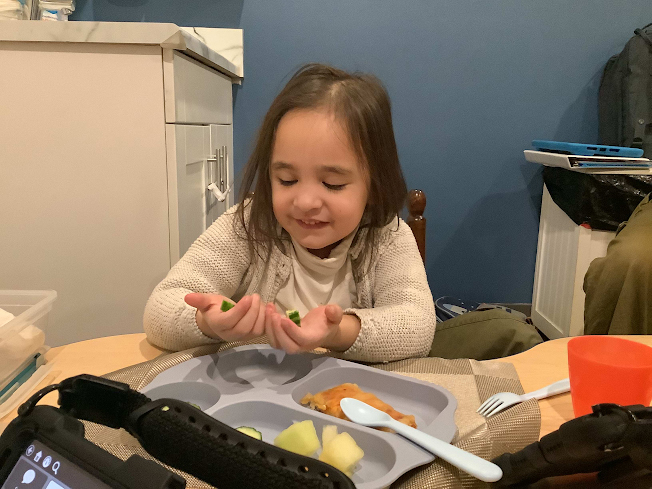
To lower this anxiety, use a “learning plate.” This is a separate, small plate placed near your child’s main plate. When you introduce a bridge food, place it on the learning plate first. Tell your child, “This is just for looking or touching. You don’t have to eat it.”
This simple physical boundary reduces the pressure. It allows your child to get used to the sight and smell of the new food without worrying that it will contaminate their safe foods. Over time, as they interact with the food on the learning plate, the anxiety decreases, and they may eventually feel ready to move it to their main plate.
When to Seek Professional Support
While food chaining is a powerful tool that parents can implement at home, it’s important to recognize when professional support is necessary. You are not alone in this process, and a team of specialists can provide guidance and targeted interventions when challenges go beyond typical picky eating. Knowing when to reach out for help is a critical step in ensuring your child’s health and well-being.
Red Flags That Need Evaluation
Certain signs indicate that a child’s feeding challenges may require a professional evaluation. These red flags suggest underlying medical, oral-motor, or nutritional issues that need to be addressed by a specialist, such as a feeding therapist. If you observe any of the following, it is recommended to consult with your pediatrician or a feeding specialist:
- Weight Loss or Poor Growth: If your child is losing weight, failing to gain weight appropriately, or falling off their growth curve, it’s a significant concern that requires immediate medical attention.
- Choking, Gagging, or Aspiration: Frequent choking, persistent gagging on various textures, or signs of aspiration (food entering the airway), such as coughing or wheezing during or after meals, need to be evaluated by a professional.
- Extreme Food Restriction: A diet that includes fewer than 20 foods is often a sign of extreme food restriction. This limited variety can put a child at risk for nutritional deficiencies and may require a more intensive approach.
- Signs of Oral-Motor Delays: Difficulty with chewing, moving food around in the mouth, or swallowing can be signs of oral-motor delays. You might notice your child overstuffs their mouth, pockets food in their cheeks, or struggles with foods that require more advanced chewing skills.
- Intense Emotional Distress: If mealtimes consistently result in extreme emotional reactions, such as inconsolable crying, tantrums, or overwhelming anxiety, it may be beneficial to seek professional guidance to address the emotional associations with food.
How Feeding Therapists Use Food Chaining
When you work with a feeding therapist, you are gaining a partner who can help you navigate this journey. Feeding therapists, who are often speech-language pathologists (SLPs) or occupational therapists (OTs), are trained to assess and treat feeding disorders. They often work in collaboration with other professionals, such as dietitians, to ensure a comprehensive approach.
A feeding therapist will use food chaining as part of a structured, individualized therapy plan. They begin by conducting a thorough assessment of your child’s oral-motor skills, sensory processing abilities, and feeding history.
Based on this evaluation, they create highly specific food chains designed to build skills and confidence. Therapy sessions provide a safe and supportive environment for your child to explore new foods without pressure.
The therapist can demonstrate techniques, help you troubleshoot challenges, and provide the reassurance you need to stay consistent. This collaborative team approach ensures that all aspects of your child’s feeding challenges, from physical skills to nutritional needs, are being addressed.
A Hopeful Path Forward
Beginning the food chaining process is an act of deep attunement to your child. It’s a commitment to seeing the world through their sensory lens and choosing connection over conflict. The journey to expand your child’s diet will likely be slow, with moments of progress followed by periods of plateau.
It’s important to remember that every small step, from touching a new food to taking a tiny bite, is a significant victory. These moments are the foundation of lasting change.
Food chaining is more than a feeding strategy; it’s a way to rebuild trust and create sensory-safe mealtimes. This approach honors your child’s nervous system, providing the predictability and control they need to feel secure.
By respecting their limits and celebrating their bravery, you are not just introducing new foods. You are building their confidence, reducing their anxiety, and carefully nurturing a positive relationship with food that can last a lifetime.
Mealtimes can transform from a source of stress into a space of gentle exploration, one small, logical link at a time. The path forward may require patience, but it is a hopeful one that leads to broader nutrition and peaceful family meals.
Frequently Asked Questions About Food Chaining
1. How long does it usually take to see progress with food chaining?
Progress is different for every child. Some families notice small changes within a few weeks, like their child touching or licking a new food. For others, acceptance of an entirely new food can take several months. The key is to move at your child’s pace and celebrate every step forward, no matter how small.
2. What if my child refuses every bridge food I introduce?
It’s common for children to require many exposures before accepting a new food, even one that’s very similar to their safe foods. If your child is consistently refusing, step back and re-examine your sensory profile and try introducing a bridge food with even fewer differences from their current favorites. Remember that eliminating pressure and offering the food in a low-stress way is essential.
3. Can food chaining help children with severe picky eating or feeding disorders?
Yes, food chaining is often effective for children with extreme food selectivity, sensory processing differences, or feeding disorders. However, children with severe food restriction, significant weight loss, or oral-motor difficulties may require additional support from a feeding therapist or multidisciplinary team.
4. Do I need special equipment or foods to try food chaining at home?
No special tools are needed to start food chaining. The process is based on careful observation, patience, and planning. Use foods your child already eats as a starting point, then make gradual, logical shifts. Some families find simple tools like a “learning plate” helpful to reduce anxiety, but these are not essential for success.

Blue Bird Day—the first therapeutic preschool and kindergarten program in the nation—fosters socialization, sensory regulation, and pre-academic learning in children ages 2-7 years. Our compassionate therapists practice a relationship-based and family-centered approach, provide parent training, and collaborate on goals and individualized intensive treatment plans for your child.
We believe in a collaborative and multi-disciplinary team approach to therapy. A team of occupational therapists, speech-language pathologists, dietitians, developmental therapists, behavioral therapists, physical therapists, and therapeutic assistants are created for each child to ensure child and family are fully supported and the best possible results are achieved.
Options for individualized, group and virtual therapy sessions are available as well.
Want to learn more or you have a specific question? Feel free to connect with us here!