Potty training is a significant milestone for all children, especially for those on the autism spectrum. As a parent of a neurodiverse child, you have discovered that milestones like potty training do not always follow the “standard” timeline outlined in typical parenting books.
The term neurodiverse encompasses a range of conditions, such as autism spectrum disorder (ASD), attention-deficit/hyperactivity disorder (ADHD), sensory processing disorders, or other developmental differences that affect how a child thinks, learns, and interacts with the world.
The process of potty training involves an interplay of physical readiness, cognitive understanding, sensory processing, and emotional regulation. These conditions can make potty training more complex for neurodiverse children.
This can be frustrating and challenging. But believe me when I say success is achievable. We know from first hand experience that with the right approach and support, potty training can be a positive experience for everyone involved.
The first step in successfully potty training a neurodiverse child is to understand their unique needs. Every child is different, and what may work for one child may not work for another. Some children may have sensory sensitivities that make certain aspects of potty training difficult, while others may struggle with communication or understanding social cues.
This article was written specifically for parents like you, drawing information from evidence-based strategies and real-world insights. Do not lose hope. By implementing a step by step plan, potty training is doable, it just takes a little more time and patience.
We will walk you through preparation, practical steps, common challenges, and where to find ongoing support. You can also consult their pediatrician or therapist before starting.
Understanding the Unique Challenges
Before diving into strategies, it’s helpful to understand the specific hurdles that neurodiverse children might face. By identifying these potential challenges, you can be more proactive and compassionate in your approach.
Sensory Sensitivities:
Many neurodiverse children experience the world with heightened or diminished sensory input. This can significantly impact their comfort with the bathroom environment and the physical sensations of using the toilet.
- Auditory: The loud flush of a toilet, the echo in a bathroom, or the sound of a hand dryer can be overwhelming and frightening.
- Tactile: The cold, hard surface of a toilet seat, the feel of toilet paper, or the sensation of being wet or messy can cause distress. Conversely, some children may not register the sensation of a full bladder or the feeling of being wet.
- Vestibular/Proprioceptive: The feeling of being suspended over an open toilet bowl can be disorienting and feel unstable, leading to anxiety about falling in.
- Olfactory: The strong smells of air fresheners or cleaning products in a bathroom can be overpowering.
- Interoception: This is the sense of what’s happening inside our bodies. A child may have difficulty recognizing the internal cues that signal the need to urinate or have a bowel movement.
Communication and Cognitive Differences:
Understanding and communicating about the need to use the potty can be a significant barrier.
- Receptive Language: A child may not understand abstract concepts like “staying dry” or verbal instructions related to the potty routine.
- Expressive Language: A child might not have the words, signs, or ability to communicate that they need to go. This can lead to frustration for both the child and the caregiver.
- Connecting Cause and Effect: The child may struggle to make the connection between the feeling of needing to go and the action of sitting on the toilet.
Executive Functioning Challenges:
Executive functions are the mental skills we use to manage tasks and achieve goals. Difficulties in this area are common in neurodiversity.
- Sequencing: The multi-step process of using the toilet (pulling down pants, sitting, wiping, flushing, washing hands) can be difficult to remember and execute in the correct order.
- Attention and Focus: A child with ADHD, for example, may be too distracted by a preferred activity to notice their body’s signals or to interrupt their play to use the bathroom.
- Flexibility and Transitions: Many neurodiverse children thrive on routine and predictability. The transition from diapers to the toilet represents a major change that can cause anxiety and resistance.
Fear and Anxiety:
The bathroom and the toilet itself can be sources of significant fear. This could be due to a past negative experience (like a loud automatic flush in a public restroom) or a general fear of the unknown. The pressure to perform can also create anxiety, leading to a cycle of resistance and accidents.

Preparing for Success
Preparation is key. Rushing the process before your child and your family are ready can lead to setbacks. A thoughtful, prepared approach sets the stage for a more positive experience.
Assessing Readiness:
Readiness for a neurodiverse child might look different from a neurotypical child. Instead of a checklist of skills, consider it a holistic observation of your child’s developmental stage. Signs of readiness may include:
- Staying dry for longer periods (e.g., one to two hours).
- Showing interest or curiosity in the toilet (e.g., watching you, wanting to flush).
- Communicating (verbally or non-verbally) when they have a wet or soiled diaper.
- Having predictable bowel movement patterns.
- Being able to pull their pants up and down with some assistance.
- Being able to sit in one place for a few minutes.
It is important to note that your child may not display all these signs. Focus on their overall developmental trajectory and consult with your child’s therapeutic team to determine if the timing is right.
Creating a Potty-Friendly Environment:
Your goal is to make the bathroom a safe, comfortable, and predictable space.
- Get the Right Equipment: A small, floor-based potty chair might feel more stable and less intimidating than a large toilet. Alternatively, a secure seat reducer for the regular toilet paired with a sturdy step stool can help a child feel grounded. Let your child help pick it out to foster a sense of ownership.
- Address Sensory Concerns:
-
- If the flush is too loud, you can place a sticky note over the sensor on an automatic toilet or avoid flushing while the child is in the room initially.
- To combat a cold seat, consider a soft, cushioned seat cover.
- Use unscented soaps and cleaners.
- Provide warm, soft wipes instead of dry toilet paper if textures are an issue.
- Make it Engaging: Place a basket of special “potty-only” books or quiet toys near the toilet. This can help make sitting on the potty a more positive and less pressured experience.
Introducing the Concepts:
Before you begin active training, familiarize your child with the process in a low-pressure way.
- Use Visuals: Social stories are an incredibly effective tool. Create a simple picture book that shows the steps of using the toilet, from feeling the need to go to washing hands at the end. Use photos of your child or a favorite character.
- Model the Behavior: Allow your child to see family members using the bathroom. Narrate what you are doing in simple terms: “Mommy’s body is telling me I need to go potty. I am going to the bathroom.”
- Read Books and Watch Videos: There are many children’s books and shows about potty training. Choose ones that are simple, positive, and relatable for your child.
Actionable Strategies
Once you are prepared, it’s time to begin the training process. Remember to remain flexible and adjust your approach based on your child’s responses.
Establish a Consistent Routine
Neurodiverse children often thrive on predictability. A structured potty schedule can help their bodies and minds learn the new routine.
- Timed Sits: Start by having your child sit on the potty at regular, scheduled intervals. This could be every 30-45 minutes initially. Use a visual timer so the child knows how long they need to sit (start with a very short time, even 30 seconds, and gradually increase it).
- Link to Transitions: Build potty sits into your existing daily schedule. Have your child try upon waking up, before leaving the house, before and after meals, and before bedtime. This creates predictable cues throughout the day.
- Use a Visual Schedule: Create a chart with pictures that shows the steps of the day, including potty time. This helps your child anticipate when it’s time to try and reduces resistance to transitions.
Use Clear Communication and Visual Supports
Keep your language simple, direct, and consistent. Pair verbal cues with visual aids to reinforce the message.
- Consistent Language: Everyone involved in the child’s care should use the same words for potty, pee, and poop.
- Visual Step-by-Step Chart: Post a laminated chart in the bathroom showing the sequence: pull down pants, sit on potty, wipe, pull up pants, flush, wash hands. Point to each picture as you go through the step.
- Communication System: If your child is non-verbal or has limited expressive language, ensure they have a way to communicate their need to go. This could be a sign, a picture exchange communication system (PECS) card for “potty,” or a button on an AAC device.
Implement a Positive Reinforcement System
Motivation is a powerful tool. A reinforcement system can encourage your child to participate and celebrate their successes.
- Choose Meaningful Rewards: The reward should be something your child genuinely values. It doesn’t have to be big; it could be a sticker, a small edible treat, a few minutes of tablet time, or a high-five and a praise party with lots of cheering.
- Be Immediate and Specific: Offer the reward immediately after the desired behavior occurs. Say exactly what you are praising them for: “Great job sitting on the potty!” or “Wow, you peed in the toilet!”
- Reward Effort, Not Just Success: In the beginning, reward the small steps. Praise them for telling you they have to go, for walking to the bathroom, or for just sitting on the potty, even if nothing happens. This builds positive associations and reduces performance anxiety.
Handle Accidents with Grace
Accidents are a normal and expected part of the learning process. Your reaction to them is critical.
- Stay Calm and Neutral: Avoid scolding, shaming, or showing frustration. This can create fear and anxiety, which is counterproductive to learning.
- State the Facts: Use a neutral tone to say something like, “Your pants are wet. Let’s go get clean clothes.” or “Pee goes in the potty.”
- Involve Your Child in Cleanup: Have your child help in a developmentally appropriate way, such as putting their wet clothes in the hamper or helping wipe up the floor. This is not a punishment but a way to teach responsibility and the natural consequences of the accident.
The Critical Role of Therapists in Potty Training
You do not have to navigate this journey alone. Your child’s therapeutic team is an invaluable resource. Therapists can provide expert, individualized support that bridges the gap between your child’s challenges and the goal of potty independence.
Occupational Therapists (OTs):
An OT is often a key player in potty training a neurodiverse child, especially when sensory or motor challenges are present.
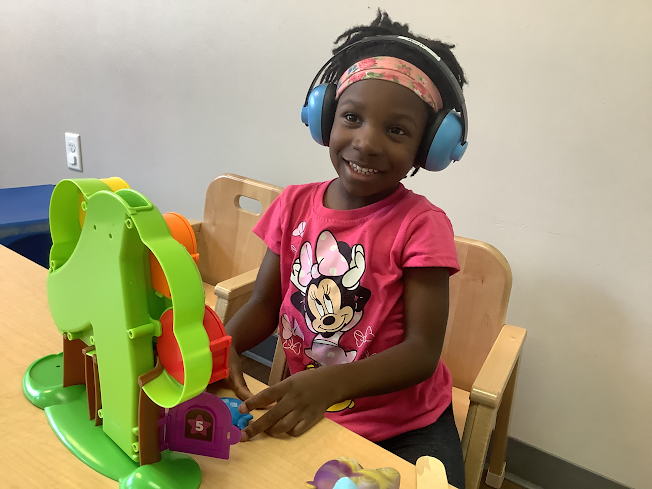
- Sensory Profile: An OT can assess your child’s unique sensory profile and provide a “sensory diet” to help with regulation. They can recommend specific strategies to make the bathroom environment less aversive, such as using noise-canceling headphones, providing a weighted lap pad for sitting, or introducing different textures for wiping.
- Motor Skills: OTs can work on the fine and gross motor skills needed for potty training, such as balance for sitting, hand strength for managing clothing fasteners, and coordination for wiping.
- Interoception: They can help your child develop a better awareness of their internal body signals through specific activities and exercises.
Speech-Language Pathologists (SLPs):
An SLP is crucial for addressing the communication aspects of potty training.
- Developing Communication Systems: An SLP can help create or refine a system for your child to communicate their needs, whether it’s through words, signs, PECS, or an AAC device.
- Understanding Language: They can help you craft simple, direct language and create social stories and visual aids that your child can easily understand.
- Sequencing and Following Directions: SLPs can work on the receptive language skills needed to understand and follow the multi-step directions of the potty routine.
Behavioral Therapists (e.g., BCBAs):
A behavioral therapist can help structure the entire training process using evidence-based principles.
- Functional Behavior Assessment (FBA): If a child is exhibiting significant resistance or challenging behaviors around potty training, a behavioral therapist can conduct an FBA to understand the “why” behind the behavior.
- Developing a Behavior Plan: Based on this assessment, they can create a highly structured, data-driven plan. This often includes specific reinforcement schedules, how to respond to accidents, and strategies for teaching the new skill in a systematic way.
- Data Collection: They will guide you in tracking data (e.g., time of sits, successes, accidents) to monitor progress and make informed decisions about when to adjust the plan.
A Collaborative Approach:
The most effective support comes from a collaborative team approach. When your child’s OT, SLP, and behavioral therapist work together, they can create a cohesive and comprehensive plan that addresses all facets of your child’s needs.
They are also there to support you, the parent, by providing coaching, encouragement, and practical advice, ensuring that the strategies used at the clinic are consistently carried over at home.
Patience and Persistence
Potty training a neurodiverse child is a marathon, not a sprint. There will be good days and bad days, progress and regressions. It is essential to celebrate every small victory and to give yourself and your child grace throughout the process.
Remember your child is not being difficult or defiant; they are navigating a world that can feel confusing and overwhelming. Your role is to be their patient, compassionate guide.
By understanding their unique needs, creating a supportive environment, and leaning on your therapeutic team, you can empower your child to achieve this important milestone in their own time and in their own way. You are their biggest champion, and with your unwavering support, they will get there.

Blue Bird Day—the first therapeutic preschool and kindergarten program in the nation—fosters socialization, sensory regulation, and pre-academic learning in children ages 2-7 years. Our compassionate therapists practice a relationship-based and family-centered approach, provide parent training, and collaborate on goals and individualized intensive treatment plans for your child.
We believe in a collaborative and multi-disciplinary team approach to therapy. A team of occupational therapists, speech-language pathologists, dietitians, developmental therapists, behavioral therapists, physical therapists, and therapeutic assistants are created for each child to ensure child and family are fully supported and the best possible results are achieved.
Options for individualized, group and virtual therapy sessions are available as well.
Want to learn more or you have a specific question? Feel free to connect with us here!