When it comes to choosing the right early education for your neurodiverse child, one of the biggest questions parents face is: Should my child attend a traditional preschool, or would a therapeutic preschool be a better fit?
This decision is critical if your child has developmental challenges, delays, or special needs that could impact their learning and social growth. Let’s break it down together and explore the key differences between these two types of preschools so you can make the best choice for your little one.
What is a Regular Preschool?
Regular preschools, also called traditional preschools, are the go-to option for many families. These programs typically welcome kids between the ages of 2.5 and 5 years old and focus on preparing them for kindergarten. Think of it as a mix of play, learning, and socializing.
In a traditional preschool, your child will:
- Learn basic concepts like colors, shapes, numbers, and letters.
- Explore creativity through art, music, and imaginative play.
- Develop social skills like sharing, taking turns, and following directions.
The classroom environment is designed to help kids interact with peers and adults, building the foundation for future learning. Teachers follow a general curriculum that assumes most children will develop at a similar pace. Class sizes usually range from 10 to 20 kids per teacher, with activities geared toward group participation.
But here’s the thing: traditional preschools are built for typically developing children. While teachers do their best to accommodate different learning styles, the structure may not fully support kids with significant developmental delays or special needs.
What Makes a Therapeutic Preschool Different?
Now, let’s talk about therapeutic preschools. These programs are specifically designed for children with developmental delays, special needs, or diagnosed conditions that affect their learning and social development. The magic of therapeutic preschools lies in their ability to combine education and therapy into one seamless experience.
Here’s what sets them apart:
- Therapy is part of the day: Licensed therapists (like speech, occupational, and physical therapists) work directly in the classroom. Therapy isn’t a separate appointment, it’s woven into everyday activities.
- Smaller class sizes: With a student-to-teacher ratio of 3:1 to 6:1, kids get individualized attention tailored to their unique needs.
- Personalized goals: Each child has a customized plan based on thorough assessments, and progress is closely monitored.
The philosophy behind therapeutic preschools is simple but powerful: kids learn best when therapy and education go hand in hand. Programs like Blue Bird Day, for example, create a classroom environment that feels like a typical preschool but includes intensive support to help kids build the skills they need to thrive in mainstream settings.
Who’s Teaching and Supporting Your Child?
One of the biggest differences between these two types of preschools is the expertise of the staff. In a traditional preschool, you’ll find early childhood educators with degrees in child development or education. They’re fantastic at teaching age-appropriate skills, but they may not have specialized training for working with kids who have significant developmental challenges.
Therapeutic preschools, on the other hand, bring in a dream team of specialists, including:
- Social Workers and Counselors: Experts in adapting lessons for kids with diverse learning needs.
- Occupational Therapists: Pros at helping kids with fine motor skills, sensory processing, and self-care.
- Speech-Language Pathologists: Communication wizards who work on language, articulation, and social interaction.
- Physical Therapists: Specialists in movement, coordination, and physical development.
- Behavioral Therapists: Experts in managing challenging behaviors and teaching positive alternatives.
This multidisciplinary team collaborates daily, ensuring that every child gets the support they need to succeed.
Curriculum
Both types of preschools aim to prepare kids for kindergarten, but their approaches are worlds apart.
- Traditional preschools focus on group activities, play-based learning, and hitting general developmental milestones.
- Therapeutic preschools take those same activities and supercharge them with therapeutic goals. For example, an art project might help a child practice fine motor skills, follow directions, and build sensory tolerance—all at the same time.
Therapeutic preschools also use specialized teaching strategies like:
- Task Analysis: Breaking skills into smaller steps.
- Sensory Integration: Incorporating activities that help kids regulate their nervous systems.
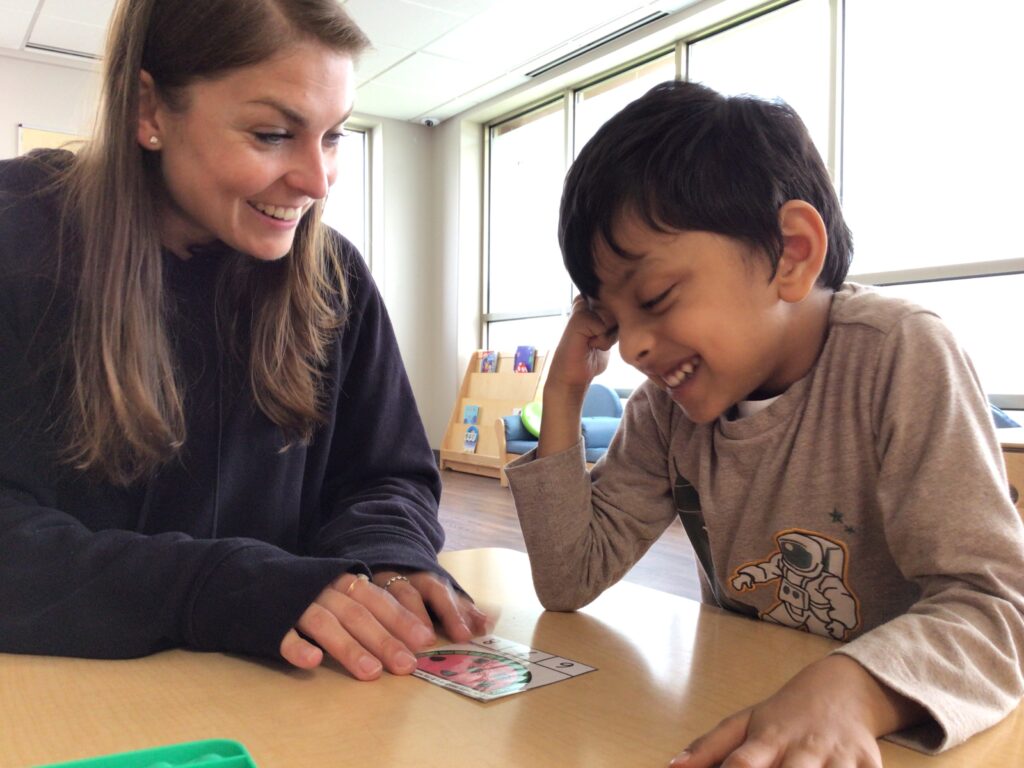
- Visual Supports: Using picture schedules and cues to promote independence.
How Is Progress Measured?
In traditional preschools, progress is often tracked informally through developmental screenings or portfolios. Therapeutic preschools, however, take assessment to the next level. Kids undergo comprehensive evaluations when they enroll, and their progress is monitored daily. Families receive detailed reports with data on skill development, along with recommendations for supporting learning at home.
Family Involvement: How Are Parents Included?
Both types of preschools value family involvement, but therapeutic programs go the extra mile. In addition to parent-teacher conferences and family events, therapeutic preschools often offer:
- Parent Training: Learn strategies to support your child’s development at home.
- Daily Updates: Get insights into your child’s day and tips for practice activities.
- Team Meetings: Collaborate with therapists and teachers to adjust goals and strategies.
What Does the Classroom Look Like?
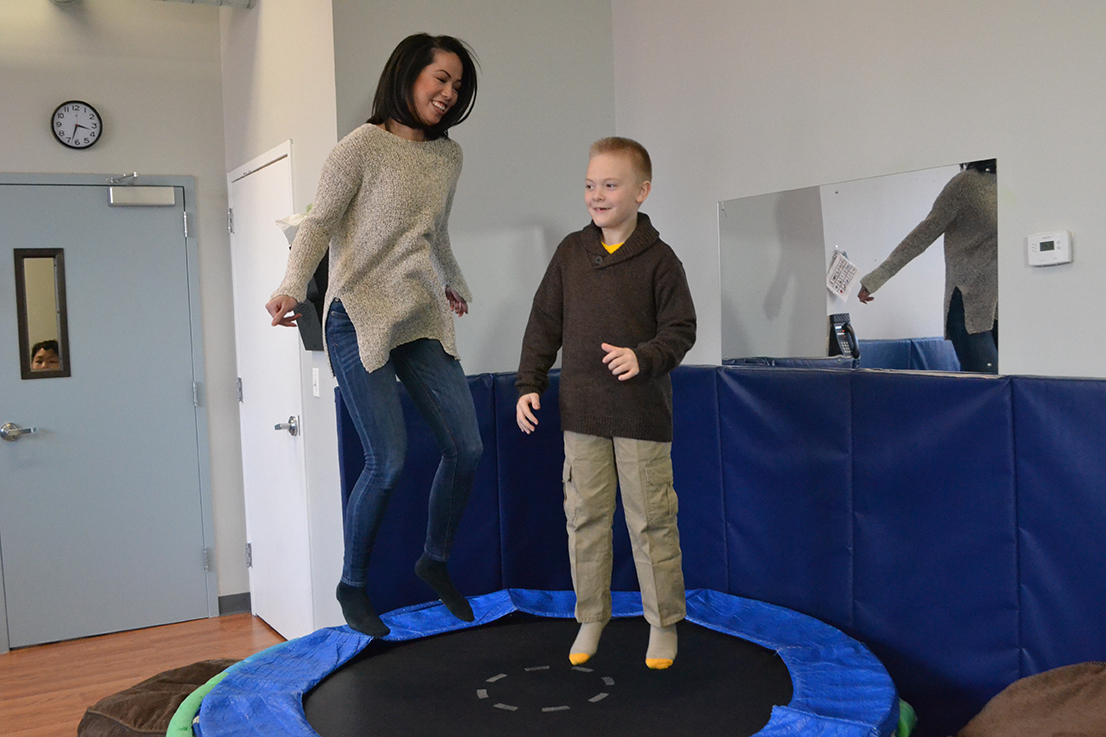
Therapeutic preschools are designed with kids’ unique needs in mind. You’ll find sensory spaces, quiet areas, and materials that accommodate different abilities. Traditional preschools, while colorful and fun, may not offer the same level of sensory-friendly design.
Preparing for Mainstream Education
One of the main goals of therapeutic preschools is to help kids transition to less restrictive environments, like mainstream classrooms. By building foundational skills—like following routines, communicating, and managing behavior—these programs set kids up for success in traditional schools.
What’s Best for Your Child?
Choosing between a traditional and therapeutic preschool depends on your child’s needs. Here are some factors to consider:
- Developmental Status: Does your child have significant delays or a diagnosed condition?
- Therapy Needs: Would your child benefit from integrated therapy services?
- Progress Rate: Does your child need intensive support to make meaningful progress?
- Long-Term Goals: Are you preparing your child for mainstream education?
The Bottom Line
Therapeutic preschools, like Blue Bird Day, offer a unique blend of education and therapy that can be life-changing for kids with special needs. By meeting children where they are and providing the support they need, these programs help them build the skills to thrive in traditional classrooms and beyond.
Whether you choose a traditional preschool, a therapeutic program, or a combination of both, the most important thing is finding the right fit for your child. After all, every child deserves an environment that helps them grow, learn, and shine.
Frequently Asked Questions
How can I tell if my child needs a therapeutic preschool?
If your child has been diagnosed with autism spectrum disorder, cerebral palsy, Down syndrome, or another developmental condition, a therapeutic preschool might be a good fit. Children who currently receive several therapies—like speech, occupational, or physical therapy—often benefit from a setting where these services are integrated throughout the day. Other signs your child could benefit include significant delays in talking, motor skills, social interactions, or self-regulation. If your pediatrician, early intervention team, or current therapists suggest your child might need more intensive support, consider scheduling an evaluation and talking through options with these professionals.
Will a therapeutic preschool stop my child from joining regular classrooms later?
Not at all. In fact, the aim of quality therapeutic preschools—like Blue Bird Day—is to help children build foundational skills, so they’re ready for regular classrooms. Many children move from therapeutic programs to traditional kindergarten, sometimes with extra support if needed. The focused help children receive early on often gives them the skills necessary to thrive in general education settings. These programs also track how well children transition to less restrictive environments and adjust supports to make this process successful.
Does insurance pay for therapeutic preschool programs?
Coverage for therapeutic preschools varies widely. Some programs work with private insurance to cover therapy services. If your child receives special education services, there may be public funding through an Individualized Education Program (IEP) or an Individualized Family Service Plan (IFSP). You may need a mix of insurance and other options. Be sure to check with programs and your insurance company about specific coverage. Many therapeutic preschools also have financial coordinators to help you figure out payment options.
When should my child start in a therapeutic preschool?
Most therapeutic preschools take children from around 18 months up to 5 years old, though this can vary by program. Starting earlier is generally better, as young children learn and adapt quickly. If concerns about your child’s development arise as an infant or toddler, consider starting with your state’s early intervention program. As kids get closer to age 3, many families move to preschool services. There’s really no such thing as “too early.” A thorough evaluation can help decide what timing is best. Children starting at age 4 or 5 can still make great progress before kindergarten.
Can my child go to regular preschool and get therapies on the side?
Yes, and this works well for many families, especially if your child only needs occasional support. Many children attend a traditional preschool and visit therapists privately or through the school district. However, think about logistics: missing class for therapy can interrupt your child’s routine and limit time with classmates. If your child needs therapy several times a week, an integrated therapeutic preschool can provide these services without disrupting peer and classroom activities.
How long does a child usually attend therapeutic preschool?
How long your child spends in a therapeutic preschool depends on their needs and how quickly they progress. Some children need just a year before moving to a traditional classroom, while others benefit from two or three years. The decision is based on your child’s starting point, progress, and overall readiness for the next step. Good programs regularly measure development, plan for transitions, and work with families on the best timeline. Sometimes transitions happen gradually, with children attending both types of programs for a while.
What should I look for in a therapeutic preschool?
When visiting, check that the staff includes licensed therapists and that there are low student-to-staff ratios. Ask about their assessment process—how they set and monitor goals. High-quality programs offer regular, detailed progress reports to families and encourage ongoing communication. Watch how staff interact with children: are the classrooms organized and engaging, and do children seem happy and involved? Get info on curriculum, schedules, and how therapies are built into everyday activities. Ask how they help children transition to other settings and what kind of parent training or support is offered. Trust your instincts about whether the environment feels supportive and like the right fit for you and your child.
Will my child be around typically developing peers in a therapeutic preschool?
This depends on the preschool’s model. Some serve only children with special needs, while others include typically developing kids as peer models and playmates. Some have partnerships with traditional preschools for shared activities like playtime or arts and crafts. Peer interaction is important, but for some children, extra support is needed before they’re ready for lots of time with typical peers. As your child progresses, programs often try to increase peer interaction to help prepare for mainstream classrooms. It’s a good idea to ask each program how they handle this.
As a parent, taking the time to understand your options, talking with professionals, and visiting programs for a tour can make all the difference. Don’t hesitate to ask questions, express your concerns, and look for a place that feels right for your child and your family. With thoughtful exploration and advocacy, you’ll be able to choose a preschool experience that not only supports your child’s growth today but also sets them up for continued success in the years to come.

Blue Bird Day—the first therapeutic preschool and kindergarten program in the nation—fosters socialization, sensory regulation, and pre-academic learning in children ages 2-7 years. Our compassionate therapists practice a relationship-based and family-centered approach, provide parent training, and collaborate on goals and individualized intensive treatment plans for your child.
We believe in a collaborative and multi-disciplinary team approach to therapy. A team of occupational therapists, speech-language pathologists, dietitians, developmental therapists, behavioral therapists, physical therapists, and therapeutic assistants are created for each child to ensure child and family are fully supported and the best possible results are achieved.
Options for individualized, group and virtual therapy sessions are available as well.
Want to learn more or you have a specific question? Feel free to connect with us here!